- Sự miêu tả
Sự miêu tả
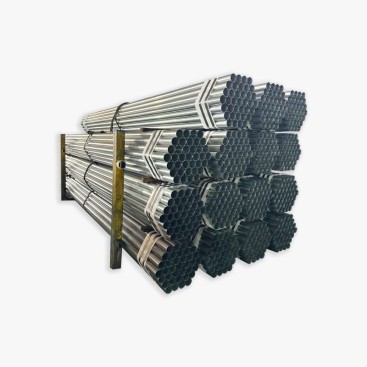
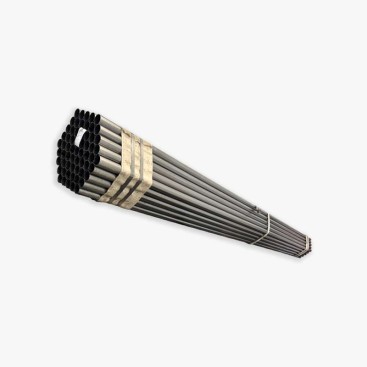
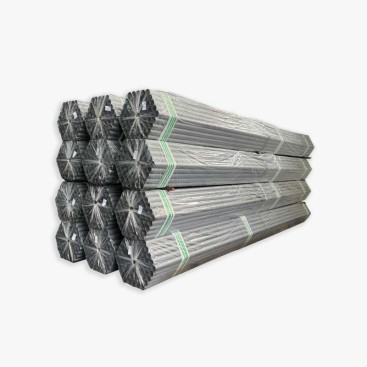
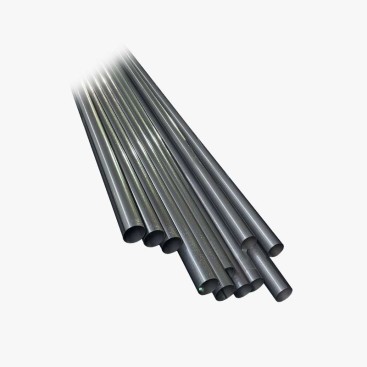
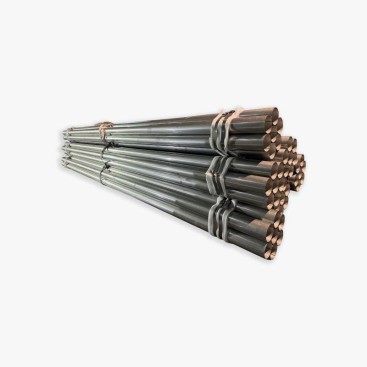
Al-Si coated steel tube is the short-form way to describe a steel tube protected by an aluminum-silicon coating. In technical documents, buyers may also encounter terms such as Al-Si, AluSi, or aluminum-silicon coated steel. These expressions generally point to the same coating family, although the exact coating composition, mass, and standard should always be confirmed before ordering.
Al-Có, AluSi and Aluminum-Silicon: Are They the Same?
Al-Si is simply an abbreviation for nhôm-silic. “AluSi” is another shortened form sometimes used in engineering and purchasing documents. “Aluminum-silicon coated steel” is the full descriptive term.
| Term | Meaning | Typical purchasing use |
|---|---|---|
| Al-Có | Nhôm-silic | Compact engineering description |
| AluSi | Nhôm-silic | Alternative industry terminology |
| Thép phủ nhôm-silic | Steel with an Al-Si metallic coating | Formal product description |
The abbreviation alone should not be used as the complete technical specification. Khối lượng phủ, độ dày, lớp nền, kích thước, and applicable standard should be included in the purchase order.
Why Use Al-Si Instead of Zinc?
The major difference between an aluminum-silicon coating and a zinc coating appears when temperature rises. Zinc-coated steel is highly useful for general atmospheric corrosion protection, but zinc has a relatively low melting point of about 419.5°C. Its protective behavior therefore changes significantly at elevated temperatures.
An aluminum-rich coating is designed for much higher-temperature service. Depending on the substrate and coating system, Al-Si coated steel can be used in applications with continuous temperatures around 660–677°C. The actual service limit must be established from the relevant material specification and operating conditions.
| Tài sản | Lớp phủ Al-Si | mạ kẽm |
|---|---|---|
| Main metal | Aluminum with silicon addition | kẽm |
| High-temperature suitability | Strong advantage | Limited at high temperature |
| Xấp xỉ. melting point of coating metal | Nhôm: about 660°C | kẽm: about 419.5°C |
| Atmospheric corrosion protection | Rất tốt | Rất tốt |
| Typical strength | High-temperature and oxidation applications | Bảo vệ chống ăn mòn chung |
The temperatures above describe material characteristics and commonly referenced application ranges. They should not be interpreted as universal maximum operating temperatures for every coated tube.
Three Major Advantages of Al-Si Coating
The aluminum-rich surface forms a protective oxide layer that helps slow oxidation during elevated-temperature exposure.
The coating provides a physical barrier, while aluminum-based protection can also help protect exposed steel locally under suitable conditions.
The bright metallic surface can reflect a portion of radiant heat, which is useful in selected thermal equipment applications.
How the Coating Protects the Steel
Al-Si protection relies heavily on the formation of a stable aluminum oxide film. When the surface is exposed to oxygen at elevated temperature, oxidation produces a relatively protective layer that slows further attack.
Silicon also plays an important role during hot-dip coating. It helps control the iron-aluminum reaction at the coating/substrate interface and limits excessive growth of brittle intermetallic phases. The result is a coating system designed to maintain adhesion through forming and thermal cycling.
The key idea
The coating is not simply a layer of aluminum placed on steel. Its performance comes from the combination of an Al-rich outer coating, a controlled Fe-Al-Si reaction zone, and the steel substrate.
Ứng dụng: Exhaust Systems and Industrial Furnaces
The combination of heat resistance and corrosion protection makes this coating system particularly useful in thermal applications. Exhaust systems are a major example because tubes may experience high temperatures, sự ngưng tụ, rung động, and road exposure within the same service life.
Automotive Exhaust
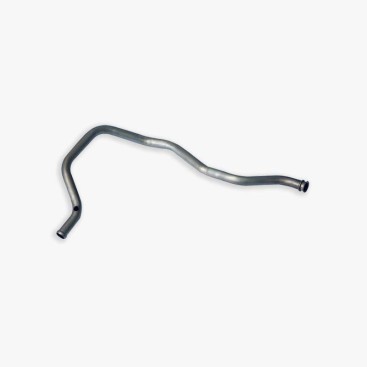
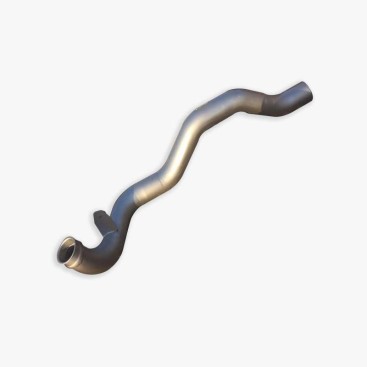
Al-Si coated tubes can be used in exhaust pipes, intermediate sections, muffler components, and other parts where protection against oxidation and external corrosion is required. The selected substrate and coating must match the actual exhaust temperature and forming requirements.
Industrial Furnace Components
Selected furnace tubes, thermal equipment components, and oven-related parts can benefit from an aluminum-rich coating because the surface is exposed to heat and oxidation rather than ordinary ambient corrosion alone.
What Does AS90 Mean?
A designation such as AS90 is used in some product specifications to identify an aluminum-silicon coating mass level. The “90” is generally associated with a nominal coating mass expressed in g/m², but the exact definition depends on the applicable standard and whether the value refers to one side, both sides, minimum mass, or nominal mass.
For this reason, “Al-Si coated, AS90” should not be treated as a complete specification by itself. The governing standard and coating measurement method should be stated in the purchase document.
| Purchase item | Example information |
|---|---|
| Lớp phủ | Al-Có |
| Coating grade | AS90, subject to the applicable specification |
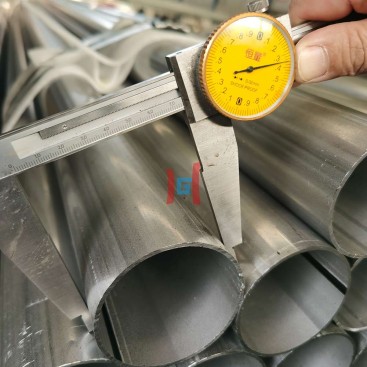
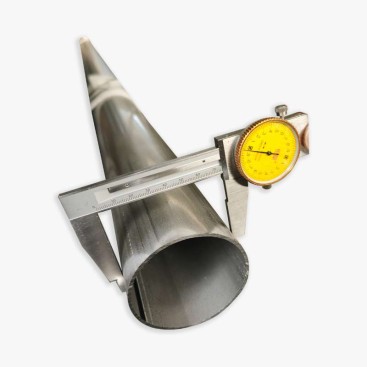
| Tube size | Outside diameter × wall thickness |
| Chiều dài | Specified cut length or required coil form |
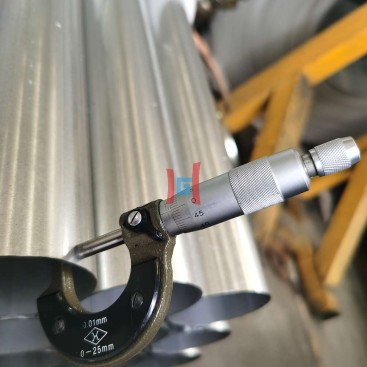
| Điều tra | Khối lượng phủ, độ dày, appearance, and required mechanical tests |
What Happens If the Coating Is Scratched?
A damaged coating exposes the underlying steel to the environment. Unlike a perfect intact coating, a deep scratch or cut can become a local corrosion initiation point, especially when moisture and salts are present.
Cut ends deserve particular attention. Tube cutting can expose the steel substrate at the end face, so the end condition should be considered when corrosion protection is important. Tùy thuộc vào ứng dụng, suitable edge protection, sealing, design allowance, or post-processing may be required.
Handling recommendations
• Avoid unnecessary contact with abrasive surfaces.
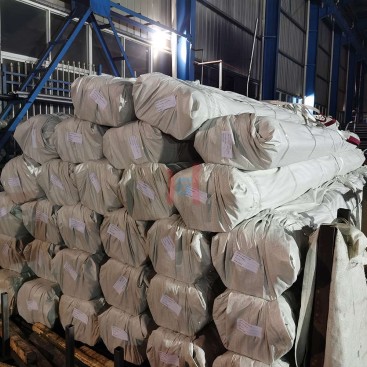
• Protect finished tubes during transport.
• Inspect cut ends and fabricated areas.
• Consider edge protection for severe corrosion environments.
• Confirm welding and forming procedures before mass production.
Al-Si Coated Steel Tube Buying Checklist
For industrial procurement, the coating name is only one part of the specification. A complete inquiry should define the substrate, kích thước ống, yêu cầu lớp phủ, và môi trường dịch vụ.
- Steel grade and applicable material standard
- Outside diameter or nominal size
- Wall thickness and dimensional tolerance
- Tube length or coil form
- Al-Si coating designation and applicable standard
- Coating mass or minimum thickness
- Surface condition and allowable defects
- hình thành, flaring, uốn cong, or welding requirements
- Operating temperature and corrosion environment
- Inspection documents and certification requirements
Source Al-Si Coated Steel Tubes
Teda Ganghua supports industrial sourcing for coated steel tubes used in exhaust, thiết bị nhiệt, and fabrication applications. Buyers can review the Ống thép Aluminized range and provide the required diameter, độ dày của tường, chiều dài, lớp nền, chỉ định lớp phủ, coating mass, và yêu cầu kiểm tra.
For projects involving high heat, it is recommended that the inquiry also include the maximum continuous temperature, nhiệt độ cao nhất, thermal cycling pattern, atmosphere, and forming process. These details are important when determining whether the selected coated tube is suitable for actual service.
Câu hỏi thường gặp
What does Al-Si mean in coated steel tubes?
Al-Si means aluminum-silicon. It describes a metallic coating system in which aluminum is the main coating element and silicon is added to control the coating/substrate reaction.
Is Al-Si better than galvanized steel for high-temperature service?
For elevated-temperature applications, an aluminum-silicon coating generally has a significant advantage because aluminum-based coatings are designed to remain protective at temperatures far above the range where zinc coatings become unsuitable. The correct choice still depends on the actual operating environment.
What is AS90 coating?
AS90 is a coating-mass designation used in certain specifications for aluminum-silicon coated steel. The exact measurement basis must be confirmed against the applicable standard because coating-mass definitions can vary.
Can Al-Si coated tubes be used for exhaust systems?
Đúng. Chúng thường được sử dụng cho ống xả và các bộ phận liên quan vì chúng kết hợp độ bền của thép với khả năng chống oxy hóa và ăn mòn bên ngoài.. Chất nền và lớp phủ phải được lựa chọn phù hợp với nhiệt độ thực tế và điều kiện chế tạo.
Nên làm gì sau khi cắt ống tráng Al-Si?
Khu vực cắt cần được kiểm tra vì việc cắt có thể làm lộ ra nền thép. Nơi cuối cùng sẽ tiếp xúc với độ ẩm, muối, hoặc điều kiện dịch vụ ăn mòn, có thể cần phải bảo vệ cạnh thích hợp hoặc xử lý theo thiết kế cụ thể.