- Sự miêu tả
Sự miêu tả
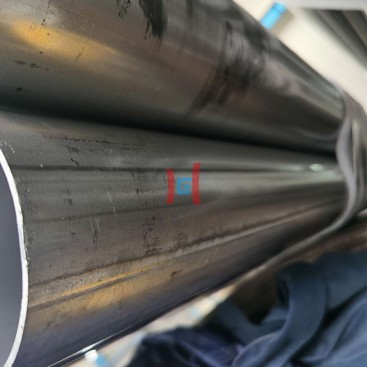
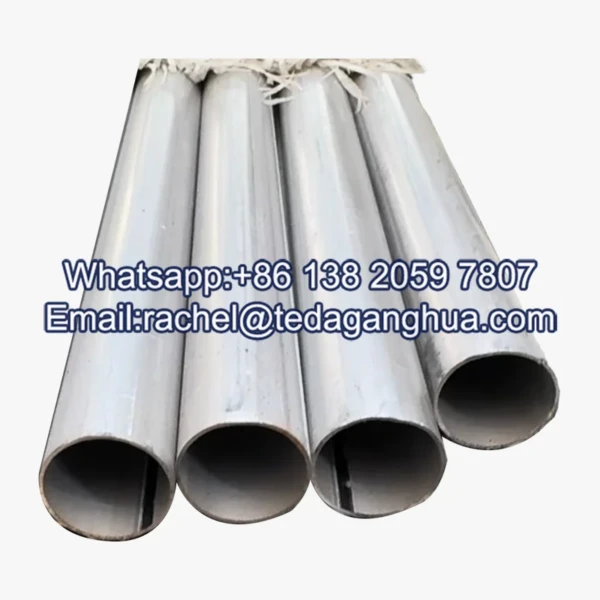
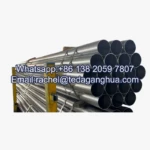
Truck exhaust systems operate in a demanding combination of heat, rung động, muối đường, moisture and long mileage. For many medium- and heavy-duty diesel applications, aluminized steel provides a practical balance between corrosion resistance, temperature capability, fabrication flexibility and system cost. Donaldson identifies aluminized mild steel as a common material for exhaust components and describes it as the preferred material for traditional diesel exhaust applications, while 400-series stainless steels are used where longer service life or higher temperature capability is required. :contentReference[oaicite:0]{index=0}
Why Truck Exhaust Systems Are Hard on Materials
A truck exhaust pipe does not operate under one isolated condition. The material is exposed to repeated heating and cooling, engine and road vibration, water, bụi bẩn, de-icing salt and long periods of operation. The mounting system also experiences movement as the exhaust system expands and contracts.
| Truck Condition | Effect on Exhaust | Design Response |
|---|---|---|
| High temperature | Oxidation and thermal cycling | Select a material/coating suitable for the actual exhaust temperature |
| Engine vibration | Fatigue at welds, clamps and mounting points | Use flexible sections and properly positioned hangers |
| Road salt and spray | External corrosion | Use corrosion-resistant material and protect damaged coating areas |
| Long mileage | Accumulated thermal and mechanical fatigue | Standardize components and inspect supports and joints periodically |
| Condensation | Internal moisture and potentially corrosive condensate | Control low points, drainage and material selection |
Commercial exhaust manufacturers specifically identify vibration as a major factor in flex-pipe wear and emphasize the role of flexible components in absorbing exhaust-system movement. :contentReference[oaicite:1]{index=1}
Thép aluminized vs 409 Stainless vs Aluminized Magnesium-Coated Steel
The three material routes should not be treated as interchangeable. Their appropriate use depends on vehicle duty, nhiệt độ, phơi nhiễm ăn mòn, expected service life and fleet purchasing strategy.
| Vật liệu | Typical Strength | Corrosion Consideration | Typical Fleet Position |
|---|---|---|---|
| Thép aluminized | Good balance for conventional diesel exhaust | Good corrosion resistance from the aluminum-based coating | Common standardized option for conventional truck exhaust |
| 409 thép không gỉ | Higher strength at exhaust temperatures than aluminized steel | Khả năng chống ăn mòn cao; surface discoloration and rust staining can occur | Extended-service or higher-temperature applications |
| Aluminum-magnesium coated steel | Depends strongly on the specific substrate and coating system | High atmospheric corrosion resistance can be an advantage in some vehicle environments | Evaluate by OEM specification and actual exhaust temperature rather than treating it as a direct substitute |
Donaldson identifies Type 409 as the most common 400-series stainless steel used in exhaust applications and notes that it provides somewhat better strength at exhaust-system temperatures than aluminized steel. It also describes aluminized steel as having good corrosion resistance to acidic diesel exhaust gases and a continuous-duty temperature limit of 538°C (1,000° f) for its exhaust applications. :contentReference[oaicite:2]{index=2}
For the aluminum-magnesium route, the exact coating designation and substrate should be stated in the purchasing specification. Coating performance data for a general automotive body application should not automatically be transferred to a hot exhaust environment.
Common Truck Pipe Sizes: 3–6 Inch Straight Sections
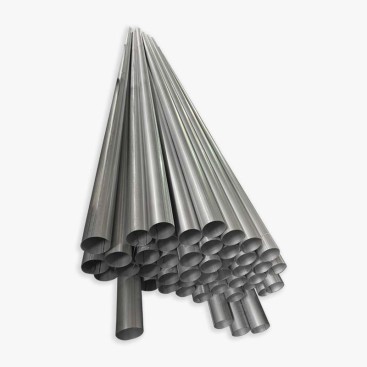
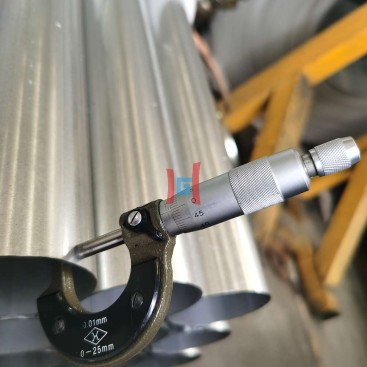
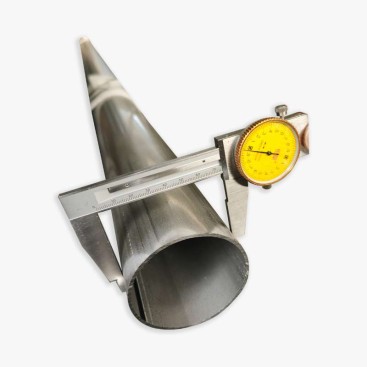
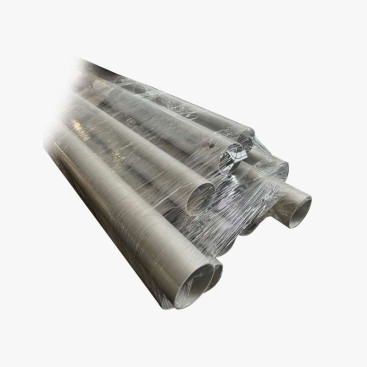
For fleet replacement and fabrication programs, 3–6 inch outside diameter straight tubing is a practical working range for many truck exhaust configurations, with approximately 1.5–2.5 mm wall thickness as a useful procurement range. The actual dimension must still follow the vehicle, engine and exhaust-system design.
| OD Range | Typical Wall Range | Procurement Use |
|---|---|---|
| 3 TRONG | 1.5–2,0mm | Smaller truck and equipment exhaust routes |
| 4 TRONG | 1.5–2,5 mm | Common medium-duty replacement and fabrication applications |
| 5 TRONG | 2.0–2,5 mm | Higher-flow exhaust configurations |
| 6 TRONG | 2.0–2,5 mm | Heavy-duty and high-flow applications |
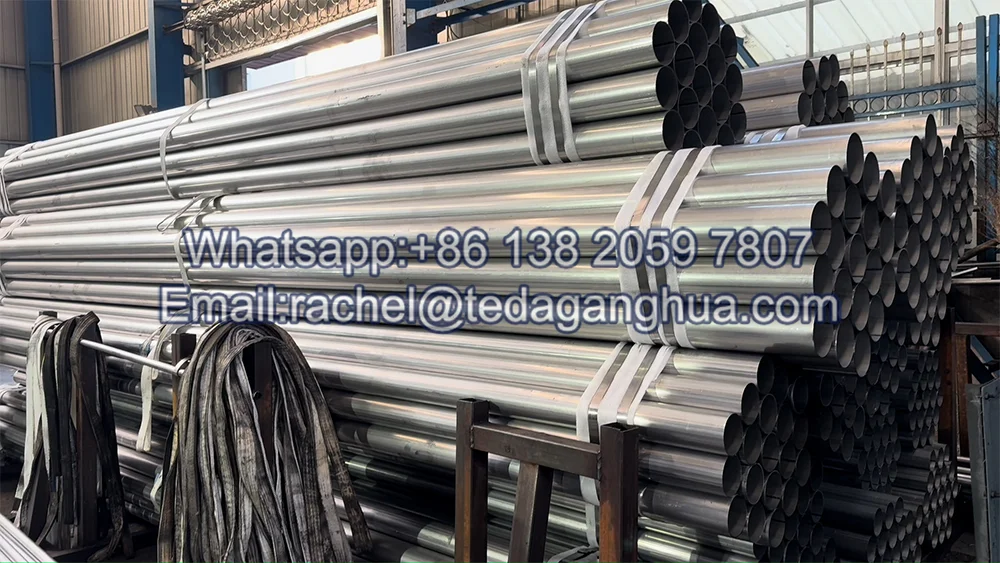
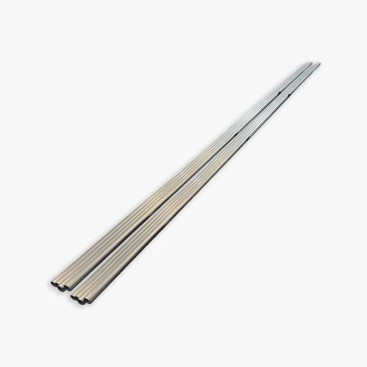
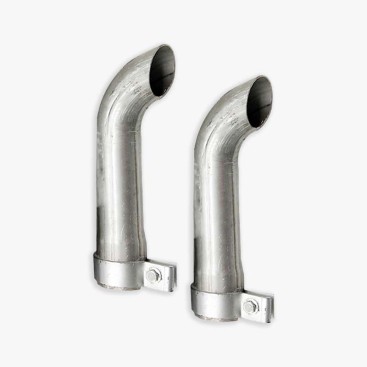
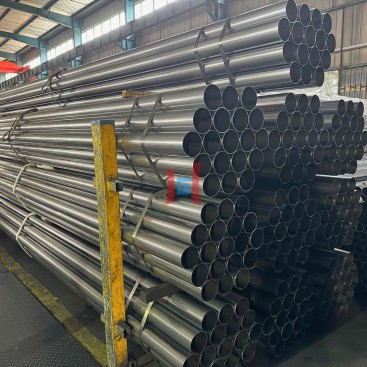
Commercial exhaust suppliers offer straight tubing and stack pipes in multiple diameters, thicknesses and lengths, with aluminized steel used for many truck exhaust products. :contentReference[oaicite:3]{index=3}
For an RFQ, specify OD × wall thickness × length × material/coating × end condition rather than ordering only by nominal diameter. If the tube will be bent or welded, include the forming and fabrication requirements as well.
Why Fleets Standardize the Material
Fleet standardization is not simply a material preference. It can simplify the entire replacement process. If multiple vehicles use compatible tube dimensions and material specifications, purchasing teams can reduce the number of stock items, establish repeatable fabrication procedures and train maintenance personnel around a smaller component set.
Inventory
Fewer material grades and tube sizes can simplify warehouse planning and replenishment.
Chế tạo
Repeatable cutting, bending and welding procedures can reduce workshop variation.
Purchasing
Consolidated demand can make supplier qualification, inspection and reorder management easier.
Maintenance
Technicians can work with established dimensions, clamps, hangers and replacement procedures.
The economic benefit should be evaluated across the complete service cycle rather than by tube price alone. A material that simplifies stock while still meeting the truck’s temperature and corrosion requirements may reduce procurement complexity, but a higher-grade stainless system can be appropriate where its additional durability justifies the different material strategy.
Installation: Hangers, Flex Sections and Thermal Expansion
A correctly specified tube can still fail prematurely if the mounting system is poorly designed. Donaldson notes that structural durability depends on system position, mounting support, weight and material, and reports that many exhaust-system problems encountered in the field are associated with improper brackets or clamps rather than the muffler itself. :contentReference[oaicite:4]{index=4}
| Installation Item | Mục đích | Common Mistake |
|---|---|---|
| Hangers | Carry exhaust-system weight and control movement | Too few supports or rigid mounting that transfers vibration into the pipe |
| Flexible section | Absorb engine movement and vibration | Using rigid tubing where relative movement is expected |
| Kẹp | Secure removable joints | Incorrect joint type or uneven tightening |
| Expansion allowance | Allow hot pipe sections to expand | Rigidly fixing both ends of a long hot section |
Walker specifically states that vibration and clamp failure are common causes of flex-pipe wear and recommends flexible tubing to dampen exhaust-system vibration and movement. Its commercial-vehicle guidance also distinguishes aluminized and stainless flex products according to temperature range. :contentReference[oaicite:5]{chỉ số=5}
Standardization Matrix for Fleet Purchasing
| Fleet Item | Recommended Standardization Field | Why It Helps |
|---|---|---|
| Straight pipe | TỪ, tường, chiều dài, lớp phủ | Simplifies stock and replacement ordering |
| Elbows | TỪ, angle, radius | Reduces fabrication variation |
| Flex section | Đường kính, chiều dài, temperature range | Improves repeatability around moving engine connections |
| Kẹp | Joint type and diameter | Prevents incompatible connection combinations |
| Hangers | Mounting geometry and load position | Improves structural consistency |
When Aluminized Steel Is a Practical Fleet Standard
For conventional diesel trucks operating within the material’s specified temperature range, aluminized steel can provide a useful combination of corrosion resistance, fabrication compatibility and service life. Donaldson describes it as a preferred material for traditional diesel exhaust and notes that its performance closely matches expected diesel-engine exhaust temperatures. :contentReference[oaicite:6]{index=6}
409 stainless steel becomes a different procurement proposition when extended service life, higher-temperature capability or severe corrosion exposure justifies the additional material cost. Donaldson notes that 409 is stronger than aluminized steel at exhaust-system temperatures and is used for extended-service diesel applications. :contentReference[oaicite:7]{index=7}
Vì thế, fleet standardization should follow vehicle duty + exhaust temperature + phơi nhiễm ăn mòn + maintenance strategy, rather than assuming that one material is suitable for every truck in every operating environment.
Teda Ganghua Supply Support
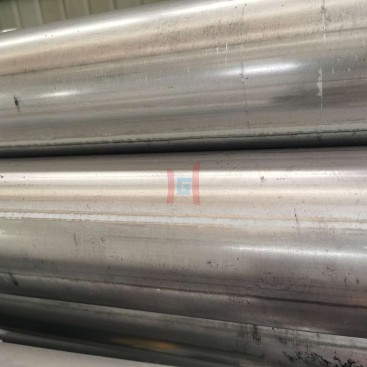
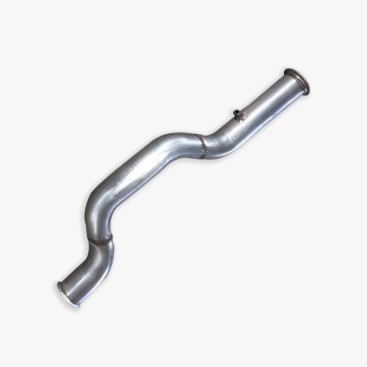
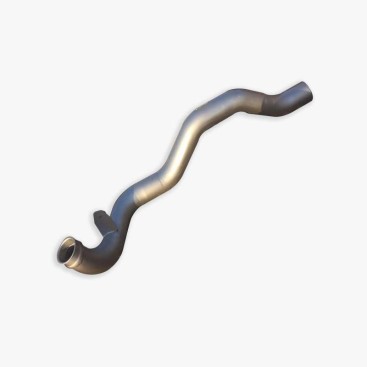
Teda Ganghua can support fleet and aftermarket projects requiring truck aluminized exhaust pipe with specified outside diameter, độ dày của tường, length and coating requirements. Buyers can provide their standard fleet dimensions, annual quantity, preferred cut lengths, bending requirements and connection details so the supply specification can be aligned with the maintenance program.
For repeat orders, the specification can be organized around standardized OD, độ dày của tường, chiều dài ống, coating grade and fabrication requirements. This approach allows procurement teams to compare suppliers using the same technical basis instead of comparing nominal pipe descriptions that may contain different wall thicknesses or processing scopes.
Câu hỏi thường gặp
1. Why is aluminized steel widely used for truck exhaust?
It combines a steel substrate with an aluminum-based protective coating and offers good corrosion resistance for conventional diesel exhaust applications. Donaldson identifies aluminized steel as a preferred material for traditional diesel exhaust. :contentReference[oaicite:8]{index=8}
2. Is 409 stainless steel always better than aluminized steel?
Not for every application. 409 offers higher strength at exhaust temperatures and is used for extended-service applications, while aluminized steel can provide an appropriate balance for conventional diesel exhaust within its specified service conditions. :contentReference[oaicite:9]{index=9}
3. What pipe sizes are common for truck exhaust?
A practical procurement range for many truck applications is approximately 3–6 inches OD, with 1.5–2.5 mm wall thickness often used as a starting specification. The final size should follow the vehicle and engine exhaust requirements rather than diameter alone.
4. Why does a truck exhaust need a flexible section?
The flexible section accommodates relative movement and vibration between the engine and the rest of the exhaust system. Walker identifies vibration and clamp failure as common causes of flex-pipe wear. :contentReference[oaicite:10]{index=10}
5. What should a fleet include in a standardized pipe specification?
Tối thiểu, specify outside diameter, độ dày của tường, material/coating, chiều dài, end condition and fabrication requirements. For complete assemblies, also standardize elbows, flexible sections, clamps and hanger geometry where vehicle compatibility permits.