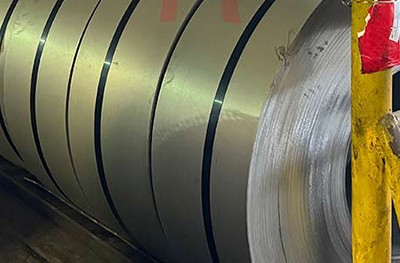
Tại sao các nhà sản xuất ô tô chọn thép Aluminized cho hệ thống xả | Khả năng chịu nhiệt & Bảo vệ chống ăn mòn
Hệ thống xả ô tô hoạt động ở một trong những môi trường khắc nghiệt nhất trên xe. Các thành phần được tiếp xúc với chu kỳ nhiệt liên tục, muối đường, water, rung động, and corrosive exhaust gases. Selecting the correct material directly affects durability, manufacturing cost, emissions compliance, and warranty performance. This is why aluminized steel has become one of the most widely used materials for exhaust systems worldwide.
Why Aluminized Steel Is Ideal for Exhaust Systems
Aluminized steel combines the strength of carbon steel with an aluminum-silicon coating. The coating creates a protective barrier that slows oxidation while maintaining excellent heat resistance. So với thép carbon thông thường, aluminized steel significantly extends service life under elevated temperatures without the higher material cost of stainless steel.
| Hiệu suất | Benefit for Exhaust Systems |
|---|---|
| Điện trở nhiệt | Maintains structural stability under continuous high temperatures. |
| Chống ăn mòn | Protects against moisture, muối đường, and exhaust condensation. |
| Khả năng định dạng | Supports tube bending, dập, deep drawing, và tạo hình cuộn. |
| Tính hàn | Compatible with automated welding lines for mass production. |
| Cost efficiency | Lower material cost than most stainless steel grades. |
Applications Across the Entire Exhaust System
Modern passenger vehicles rarely use a single material throughout the complete exhaust assembly. Engineers select different materials according to temperature, phơi nhiễm ăn mòn, và yêu cầu sản xuất.
| Thành phần | Typical Material Choice | Reason |
|---|---|---|
| Ống xả | Thép aluminized | Excellent balance between durability and cost. |
| Bộ giảm thanh | Thép aluminized | Strong corrosion resistance against internal condensation. |
| Tail pipes | Aluminized steel or stainless steel | Selected according to appearance and corrosion requirements. |
| Tấm chắn nhiệt | Tấm thép tráng nhôm | Reflects heat while remaining lightweight. |
| Vỏ chuyển đổi xúc tác | Thép aluminized | Chống oxy hóa ở nhiệt độ cao. |
Heat Resistance Under Continuous Operation
Exhaust temperatures vary depending on engine design and operating conditions. During highway driving or heavy-duty service, temperatures can remain elevated for extended periods. Aluminized steel performs well under these conditions because the aluminum coating forms a stable oxide layer that slows further oxidation.
This protection helps prevent premature scaling, maintains wall thickness, and reduces the risk of perforation over years of service.
Corrosion Protection Against Condensation
One of the biggest challenges for mufflers is internal condensation. Water vapor generated during combustion condenses when the exhaust cools after shutdown. This moisture can attack unprotected steel from the inside.
Aluminized steel provides better resistance to this type of corrosion, helping manufacturers extend exhaust component life without significantly increasing production costs.
Manufacturing Advantages
Automotive suppliers require materials that can move efficiently through high-speed production lines. Aluminized steel supports:
- Tube forming
- tạo hình cuộn
- Cắt laze
- Dập
- Automatic robotic welding
- Hydroforming
Its combination of formability and coating durability makes it suitable for large-volume automotive manufacturing.


Cost Comparison with Stainless Steel
| Vật liệu | Relative Cost | Sử dụng điển hình |
|---|---|---|
| Thép cacbon | Lowest | Short-life applications |
| Thép aluminized | Trung bình | Mainstream passenger vehicle exhaust systems |
| 304 thép không gỉ | Cao | Premium exhaust systems |
| 409 thép không gỉ | Medium to high | Heavy-duty and commercial vehicles |
How Teda Ganghua Supports Automotive Manufacturers
Teda Ganghua supplies aluminized steel materials for automotive exhaust manufacturing, supporting OEMs, Tier-1 suppliers, and exhaust component fabricators. Available services include slit coils, precision cut sheets, custom tube processing, and export packaging designed for international production programs.
For detailed specifications and available products, thăm nom
ống thép tráng nhôm.
Câu hỏi thường gặp
Is aluminized steel better than carbon steel for exhaust systems?
Đúng. The aluminum-silicon coating significantly improves oxidation and corrosion resistance while maintaining competitive cost.
Why don’t all automakers use stainless steel exhaust systems?
Stainless steel offers higher corrosion resistance but also increases material cost. Aluminized steel provides a more economical balance for most passenger vehicles.
Can aluminized steel be welded?
Đúng. It is widely used in automated welding lines for mufflers, ống xả, and catalytic converter assemblies.
Which exhaust components commonly use aluminized steel?
Ống xả, bộ giảm thanh, lá chắn nhiệt, catalytic converter shells, resonators, and many tail pipe assemblies commonly use aluminized steel.
Can Teda Ganghua provide custom processing?
Đúng. Teda Ganghua offers cutting, slitting, tube processing, và xuất khẩu bao bì để đáp ứng các yêu cầu sản xuất ô tô khác nhau.