铝合金中的硅
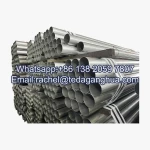
Silicon is the key element that defines the performance difference between aluminized steel coating types.
- 类型 1 (铝硅涂层): engineered for high-temperature and exhaust systems
- 类型 2 (pure Al coating): designed for atmospheric corrosion protection
渗铝钢 therefore offers two distinct material solutions depending on whether the application requires thermal resistance or general corrosion protection.
- 描述
描述
Silicon in aluminum alloys plays a critical role in the performance of 渗铝钢, especially in controlling coating structure, adhesion strength, and high-temperature stability. In industrial applications, aluminized steel is commonly classified into two main coating types based on silicon content and processing route: 类型 1 和类型 2.
These two types define the most important technical differences in aluminized steel products used in automotive, furnace, and heat-resistant engineering systems.
1. 什么是铝制钢?
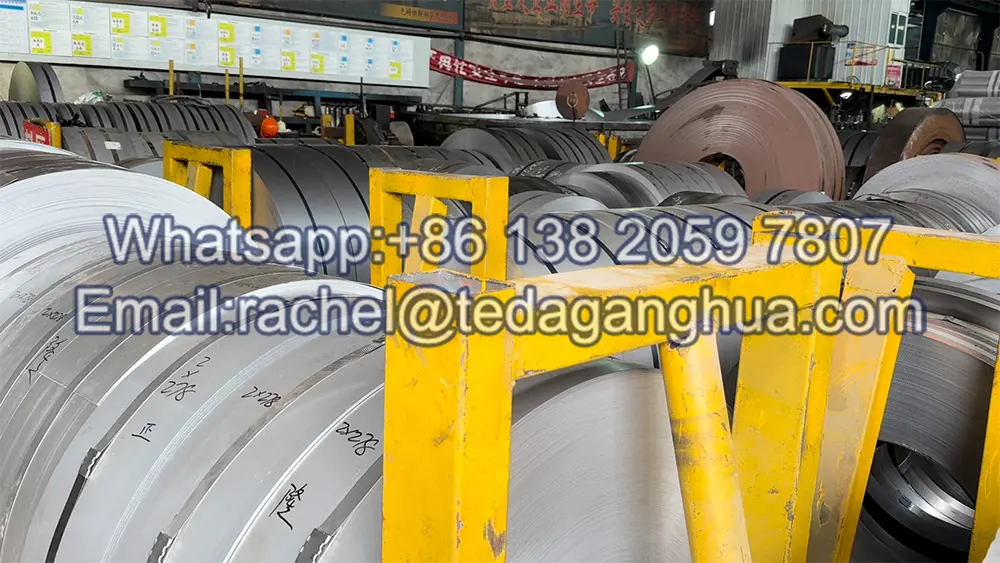
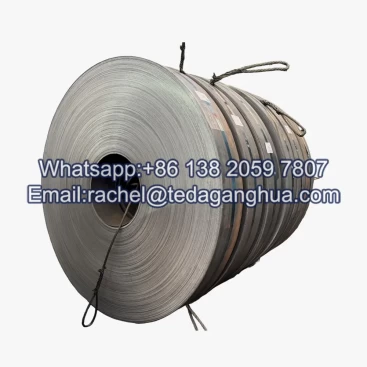
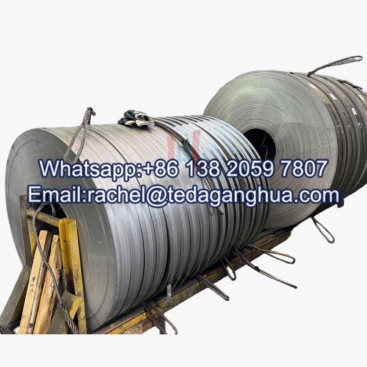
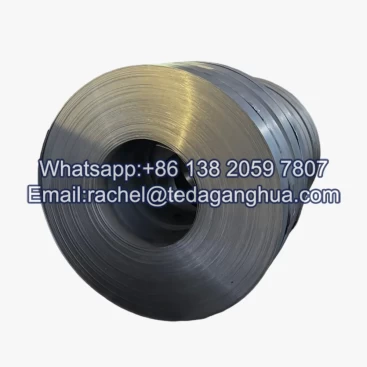
渗铝钢 is a carbon steel substrate coated with an aluminum-based alloy through a hot-dip process. The coating contains a controlled amount of silicon to improve metallurgical bonding and performance stability.
The silicon element is not just an additive—it directly controls the structure of the intermetallic layer formed between aluminum and steel.
2. Role of Silicon in Aluminum Coatings
Silicon in the aluminum coating has three key functions:
- Controls diffusion between aluminum and steel
- Reduces excessive formation of brittle Fe–Al intermetallic compounds
- Improves coating adhesion and surface stability
不含硅, the coating would become too brittle and prone to cracking during forming or thermal cycling.
3. 类型 1 vs Type 2 渗铝钢
Aluminized steel is mainly divided into two standard coating systems:
类型 1: Aluminum-Silicon Coated Steel
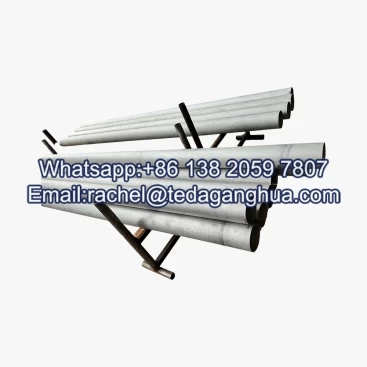
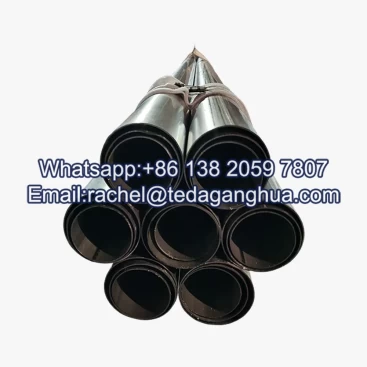
aluminized steel type 1
作品:
- 铝 (铝): 〜88–92%
- 硅 (和): 〜8–12%
Key characteristics:
- Most widely used industrial grade
- 优异的耐高温性能
- 强氧化保护
- Controlled intermetallic layer formation
- Good formability before and after coating
Typical applications:
- 汽车排气系统
- 消声器和催化转换器外壳
- 熔炉和燃烧器组件
- 隔热罩
- High-temperature duct systems
类型 1 is the most important grade for thermal and exhaust environments.
类型 2: Commercial Pure Aluminum Coated Steel
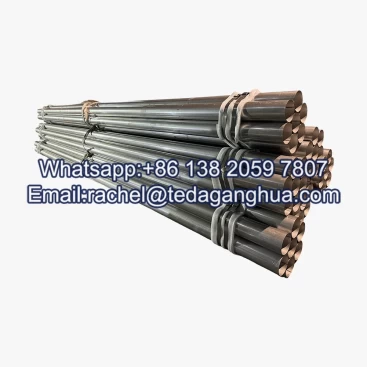
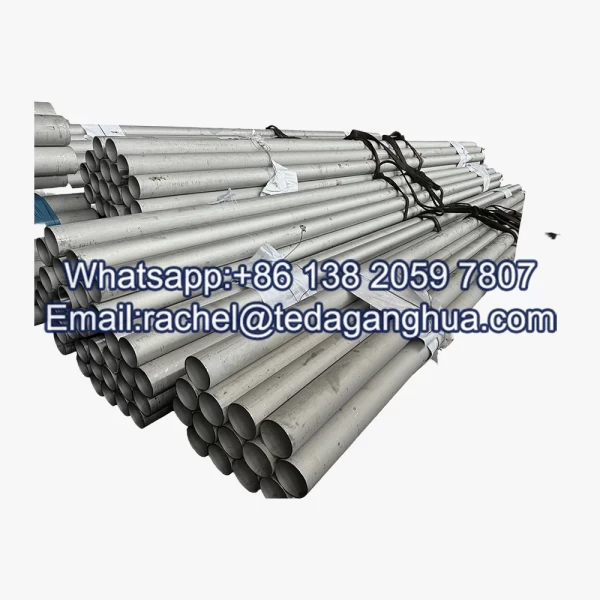
aluminized steel type 2
作品:
- 铝 (铝): ~99%+
- 硅 (和): very low or nearly zero
Key characteristics:
- No intentional silicon addition
- Softer coating surface
- Excellent atmospheric corrosion resistance
- Lower high-temperature stability compared to Type 1
- More suitable for general outdoor environments
Typical applications:
- 建筑材料
- Roofing systems
- Exterior panels
- General industrial corrosion protection
类型 2 is mainly used for atmospheric corrosion resistance rather than high-temperature service.
4. Key Differences Between Type 1 和类型 2
| 财产 | 类型 1 (Al–Si Coating) | 类型 2 (Pure Al Coating) |
|---|---|---|
| Silicon content | 8–12% | Nearly 0% |
| 耐热性 | 出色的 | 缓和 |
| 抗氧化性 | Very strong at high temp | Good in atmosphere |
| Coating structure control | Stable intermetallic layer | Minimal diffusion control |
| Primary application | High-temperature service | General corrosion protection |
| Automotive exhaust use | 是的 | 稀有的 |
5. Why Silicon Is Essential in Type 1 涂层
In Type 1 渗铝钢, silicon is the key engineering element that:
- Prevents excessive Fe–Al reaction layer growth
- Improves coating ductility during forming
- Enhances thermal fatigue resistance
- Stabilizes long-term performance under heat cycles
This is why Type 1 is the dominant material for exhaust and furnace systems.
6. Processing Characteristics of Aluminized Steel
渗铝钢 can be processed using standard fabrication methods:
- 激光切割
- 剪切
- Bending and roll forming
- Stamping and punching
- 氩弧焊 / 熔化极气体保护焊 (with coating removal at weld zone)
Proper surface preparation is required to avoid coating contamination during welding.
7. Typical Applications by Type
类型 1 应用领域
- 汽车排气管
- 消声器
- 热交换器
- 炉体组件
- 高温管道
类型 2 应用领域
- 屋顶板
- Exterior building materials
- HVAC housings
- General corrosion-resistant structures