Auswahl des Auspuffrohrmaterials: Lebenszykluskosten und Spulenführung aus aluminisiertem Stahl
Lifecycle Cost Calculator: Vehicle Mileage and Climate Decide the Best Exhaust Pipe Material
Choosing an exhaust pipe material is not only about the initial material selection. The real engineering decision comes from the entire service life of the vehicle. Mileage, driving environment, road conditions, temperature cycles, and maintenance expectations all influence whether a standard exhaust solution is sufficient or a more durable material system is required.
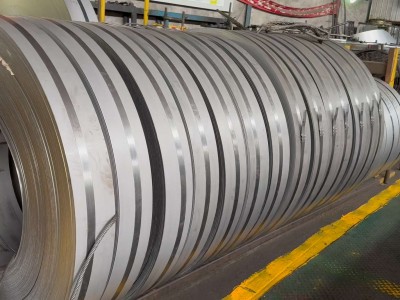
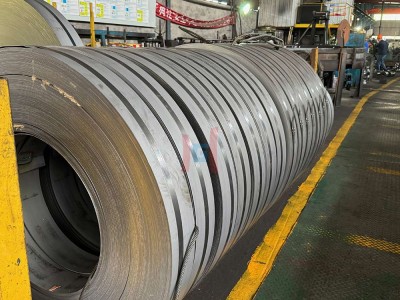
For automotive exhaust systems, Spule aus aluminiertem Stahl has become a widely used material because it combines steel strength with aluminum-based oxidation resistance. Jedoch, the best choice depends on the vehicle’s expected lifetime and operating environment.
Why Lifecycle Cost Matters More Than Initial Material Cost
An exhaust system experiences repeated heating and cooling cycles, moisture exposure, salt contamination, and high-temperature oxidation. A low initial material cost may lead to earlier replacement if corrosion resistance is insufficient.
A lifecycle evaluation considers:
- Expected vehicle service years
- Annual driving mileage
- Climate and road salt exposure
- Exhaust temperature range
- Replacement and maintenance frequency
The total ownership cost can be estimated by combining material durability, replacement intervals, and operating conditions instead of focusing only on the first purchase decision.
Main Factors Affecting Exhaust Pipe Service Life
| Factor | Influence on Exhaust Life | Engineering Consideration |
| Climate | Humidity and salt accelerate corrosion | Coating protection becomes important |
| Mileage | More thermal cycles and vibration | Fatigue resistance is required |
| Temperatur | High heat accelerates oxidation | High-temperature oxidation resistance must be checked |
| Driving Pattern | Short trips increase condensation | Internal corrosion protection is needed |
How Different Driving Conditions Change Material Selection
Different users create different corrosion environments. A vehicle operating in a dry inland area has a different exhaust requirement compared with a vehicle exposed to coastal humidity or winter road salt.
| Operating Environment | Main Challenge | Material Focus |
| Dry Climate | Oxidation during heating cycles | Stable protective surface layer |
| Coastal Area | Chloride corrosion | Improved corrosion resistance |
| Cold Region | Salt spray and moisture | Coating durability and weld protection |


Why Aluminized Steel Coil Is Used in Exhaust Manufacturing
The aluminum-rich coating on aluminized steel creates a protective oxide layer during high-temperature exposure. This layer helps slow down oxidation and improves the service performance of exhaust components.
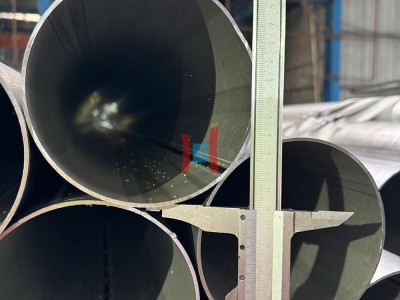
Compared with untreated carbon steel, aluminized steel provides better protection under repeated heating conditions. It is commonly selected for exhaust tubes, muffler shells, Hitzeschilde, and other automotive thermal components.
When purchasing exhaust material, buyers should evaluate coating quality, substrate strength, thickness consistency, and forming performance together. Teda Ganghua provides aluminized steel coil solutions with professional processing support, helping customers match coil specifications with exhaust manufacturing requirements.
For more information about available materials and processing options, besuchen:
/product-category/aluminized-steel-coil/
A Practical Lifecycle Evaluation Checklist
- Definieren Sie die erwarteten Fahrzeugbetriebsjahre
- Schätzen Sie die jährliche Kilometerleistung und die thermischen Zyklen
- Identifizieren Sie die Korrosionsumgebung
- Bestätigen Sie den Abgastemperaturbereich
- Vergleichen Sie die Anforderungen an die Materialbeständigkeit
- Wählen Sie die Spulendicke und die Beschichtungsspezifikation
Das richtige Abgasmaterial wird nicht allein durch einen Faktor bestimmt. Ein Lebenszyklusansatz hilft Herstellern und Käufern, die Haltbarkeit auszugleichen, Zuverlässigkeit, und langfristige Leistung. Durch die Bewertung realer Betriebsbedingungen, Das Abgassystem kann eine bessere Betriebsstabilität und eine geringere Austauschhäufigkeit erreichen.