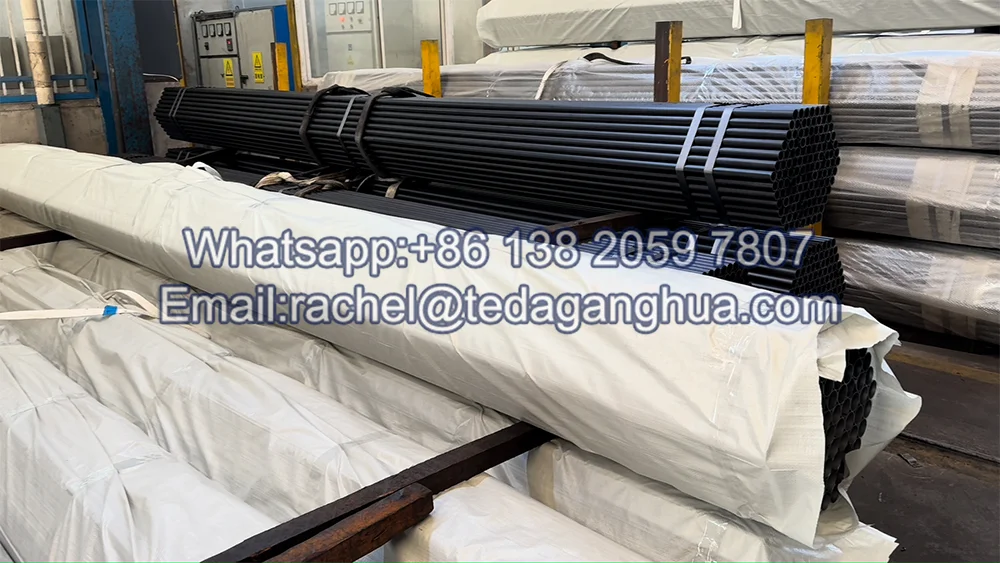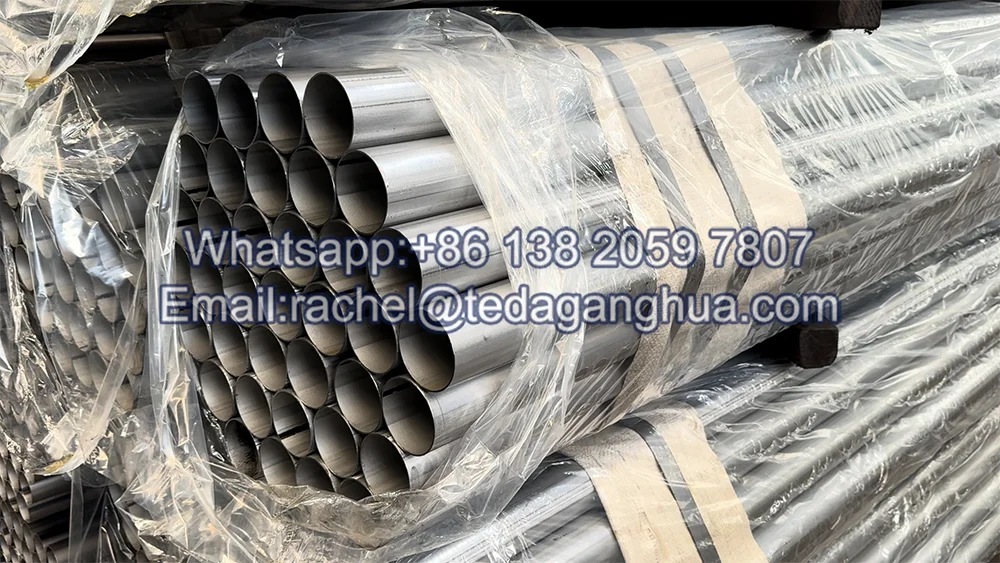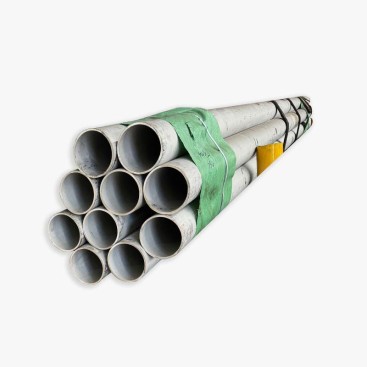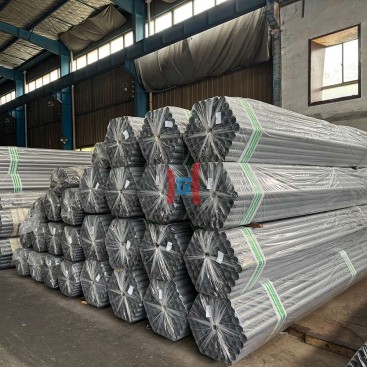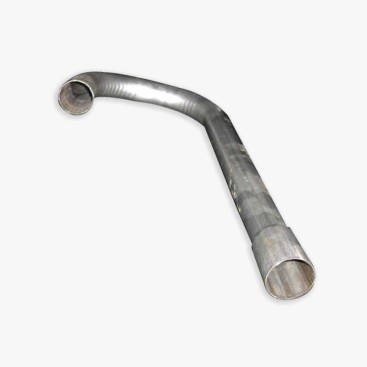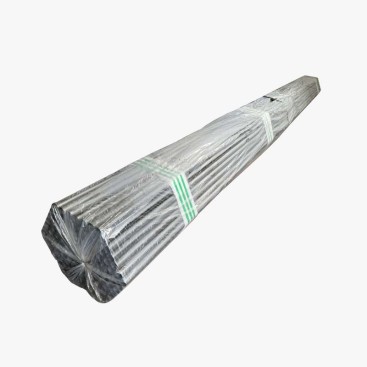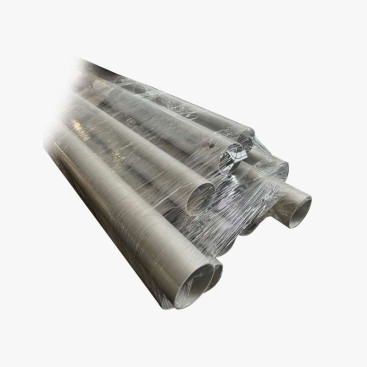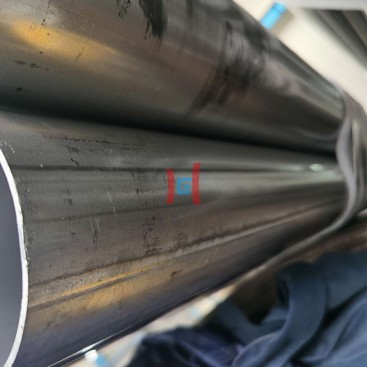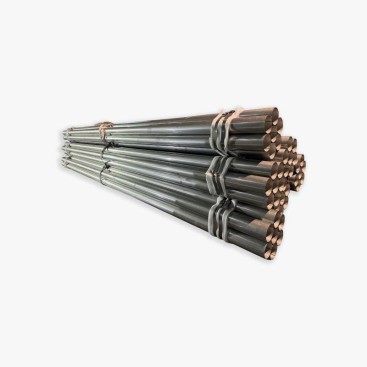
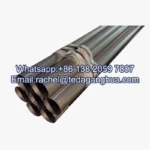
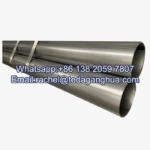
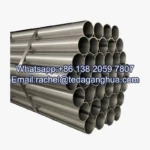
- Description
Description
Ordering 20 ft aluminized steel pipe requires more than confirming the nominal length. A 20 ft section is approximately 6.096 m long, making it useful for long, straight runs where fewer joints can reduce installation work. However, the same length affects container loading, lifting arrangements, storage support, cutting plans, and the risk of bending or coating damage during handling.
For procurement managers, the key is to evaluate length together with outside diameter, wall thickness, bundle dimensions, total quantity, destination handling facilities, and the required delivery condition. A pipe that reduces field joints may still increase freight complexity or require special packing. Calculating these factors before placing an order helps balance installation efficiency with transport cost and product protection.
1. Why Choose 20 ft Pipe Lengths?
A long, standardized length can simplify procurement and installation when the application contains extended straight runs. Fewer individual sections generally mean fewer joints, less joint preparation, and potentially less field welding or mechanical connection work.
Where a 20 ft Length Can Help
- Long straight runs: Fewer pipe sections may reduce the number of joints and alignment operations.
- Repeated installations: Standardized lengths simplify cutting schedules and material take-offs.
- Reduced field fabrication: Fewer joints can mean less on-site preparation, welding, inspection, or connection work, depending on the joining method.
- Consistent replacement stock: Standard lengths can make inventory planning easier when the same dimensions are used across multiple projects.
Longer is not automatically better. Pipe sections must be moved through the receiving area, stored safely, lifted into position, and fitted around actual site geometry. If access is restricted or the route contains frequent bends and branches, shorter lengths may reduce handling difficulty and offcut waste.
2. Container Loading: Length Is Only One Constraint
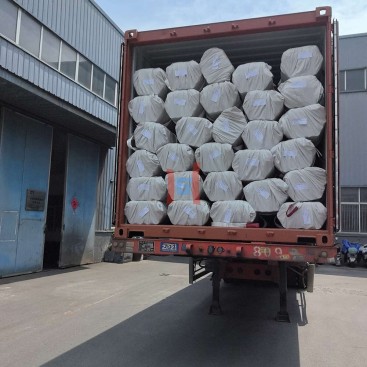
A 20 ft pipe measures approximately 6.096 m, but the nominal length alone does not confirm that the cargo will fit a particular container or loading configuration. Usable internal dimensions, door opening, end clearance, packing frames, dunnage, bundle geometry, and loading equipment all matter.
Before booking freight, compare the actual packed dimensions with the carrier’s equipment specifications. The available loading length may be shorter than the nominal container length, and the door opening can restrict the way long bundles are inserted. Pipes must also be secured against rolling, sliding, and movement during transit.
| Length / Packing Situation | Potential Transport Method | Cost and Risk Considerations |
|---|---|---|
| Shorter cut lengths | Standard container loading may be easier, subject to bundle dimensions. | More joints and potential cutting waste, but greater flexibility for handling and packing. |
| 20 ft / approximately 6.096 m | Standard container loading may be feasible after checking usable dimensions, door clearance, and loading orientation. | Fewer installation joints, with additional attention required for long-load support and restraint. |
| Longer than the available loading envelope | May require an open-top or flat-rack arrangement, breakbulk, or another approved transport solution, depending on dimensions and route. | Potential special-equipment, handling, lashing, port, and cargo-protection costs. |
| Long, heavy, or fragile bundles | Engineered packing and suitable lifting equipment may be needed even when the cargo fits inside a container. | Higher sensitivity to point loading, bundle movement, bending, and coating damage. |
Do not assume that a pipe longer than 20 ft automatically requires breakbulk shipping, or that a 20 ft pipe always fits every standard container configuration. The actual cargo envelope and the carrier’s loading plan determine the practical solution. Confirm the transport mode, equipment, packing, and securing requirements before finalizing the freight budget.
3. Calculate Bundle Dimensions and Cargo Weight
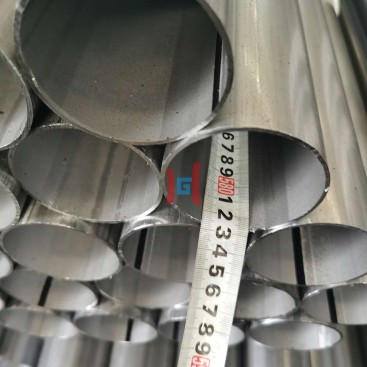
Length planning should be based on the complete shipment rather than a single pipe. Outside diameter, wall thickness, number of pieces, packing material, and bundle arrangement affect the load’s volume, mass, and handling requirements.
For an initial estimate, the theoretical mass of the steel substrate per metre can be calculated using:
Steel tube mass per metre
m ≈ 0.00785 × t × (D − t)
m in kg/m; D = outside diameter in mm; t = steel wall thickness in mm. This approximation assumes steel density of 7,850 kg/m³ and excludes coating and packing.
Multiply the estimated mass per metre by the pipe length and quantity to obtain a preliminary substrate-weight estimate. Actual shipping weight may differ because of coating mass, dimensional tolerances, end fittings, protective caps, dunnage, and packing frames. For shipment planning, use the supplier’s confirmed piece weight and packed bundle dimensions whenever available.
Weight alone is not enough to decide whether a bundle can be loaded or lifted. Long bundles may create concentrated loads on supports and lifting equipment. Check both the maximum load rating and the required load distribution, and ensure that the loading plan accounts for the bundle’s centre of gravity.
4. Lifting Long Pipe Without Bending or Damaging the Coating
Long pipe sections can sag when supported at unsuitable points. A poorly planned lift can also cause sudden bending, local deformation, bundle movement, or contact damage to the aluminum-silicon coating. The risk depends on tube diameter, wall thickness, material condition, bundle weight, lifting equipment, and the spacing of the supports.
Handling Controls for Long Sections
- Plan the lifting points: Select support or sling locations based on the pipe dimensions, weight, stiffness, and approved lifting plan rather than using a universal spacing rule.
- Use suitable lifting gear: Choose equipment with adequate rated capacity and compatible contact surfaces. Use spreader beams or additional lifting points when the load plan requires them.
- Prevent rolling: Secure bundles and use stable supports or chocks during loading, unloading, and temporary staging.
- Protect the surface: Avoid dragging the pipe across steel edges, rough ground, or abrasive packing materials. Use suitable separators and protective contact materials.
- Inspect after handling: Check for visible dents, ovality, coating scratches, exposed substrate, and deformation before releasing the material for installation.
Do not stand beneath a suspended load or place hands between moving pipes. Lifting arrangements should be carried out by trained personnel using approved equipment and site procedures. If visible bending or permanent deformation occurs, hold the affected material for dimensional and engineering assessment rather than attempting an unapproved straightening operation.
5. End Protection, Cutting, and Coating Repair
Before ordering, specify whether the pipe should arrive in full lengths or be cut to project dimensions. Factory cutting may reduce site labour and offcut waste, but it requires an accurate cutting list and clear identification of each finished length. Full-length delivery can preserve flexibility when final dimensions are not yet confirmed.
Cutting can damage the coating at the ends and expose the steel substrate. The treatment required depends on the coating specification, operating environment, intended service, and project requirements. Do not assume that a generic paint or sealant is an approved repair for every aluminized coating system.
| Decision | What to Specify |
|---|---|
| Full-length delivery | Length tolerance, end squareness, end caps, bundle identification, and protection during transit. |
| Factory-cut lengths | Cutting list, quantity per length, length tolerance, end finish, and traceability for each bundle. |
| Site cutting | Approved cutting procedure, edge treatment, coating repair requirements, and post-cut inspection. |
| Protected ends | Cap or wrap material that prevents impact, moisture retention, and abrasion without trapping contaminants. |
For welded assemblies, also consider whether the joining procedure will affect the coating near the weld. The required surface preparation and repair should be defined before fabrication, especially where corrosion performance is important. Keep cutting debris and sharp edges away from adjacent coated surfaces during processing.
6. Storage: Prevent Permanent Sagging Before Installation
Improper storage can damage long pipe even before it reaches the work area. If the support points are too far apart or unevenly positioned, a pipe may sag under its own weight. Repeated loading, stacking pressure, unstable ground, and unrestrained bundles can increase the risk of permanent deformation or surface damage.
Store pipe on a firm, level surface with support locations selected for the pipe’s dimensions, stiffness, and weight. Use enough supports to control deflection, align them consistently, and prevent the sections from rolling. There is no single support spacing suitable for every pipe size and wall thickness, so follow the supplier’s handling guidance or a qualified storage plan.
- Keep bundles on stable dunnage rather than directly on rough concrete or soil.
- Align support points vertically between stack levels where stacking is permitted, and confirm the bottom bundle can safely carry the load.
- Use appropriate chocks or restraints to prevent rolling and sliding.
- Keep pipes away from forklift impact zones and sharp edges that can scratch the coating.
- Inspect stored material periodically and after severe weather, movement, or rehandling.
Long-term outdoor storage should also follow the coating supplier’s recommendations. Protect the material from contamination and avoid packing arrangements that trap water or prevent drainage. If the pipe becomes visibly bowed, dented, or oval, record the condition and obtain a technical assessment before use.
7. A Pre-Order Checklist for 20 ft Pipe
Before issuing a purchase order, align the commercial and technical teams on the details below. A complete specification reduces ambiguity when the cargo is packed, inspected, shipped, and received.
- ☐ Dimensions: Outside diameter, nominal wall thickness, wall tolerance, and length tolerance.
- ☐ Length basis: Confirm whether 20 ft means 6.096 m nominal or a different contractual cut length and tolerance.
- ☐ Material and coating: Applicable product standard, substrate specification, coating designation, and inspection requirements.
- ☐ End condition: Plain, beveled, capped, factory-cut, or another agreed finish.
- ☐ Packing: Pieces per bundle, bundle dimensions, support arrangement, end protection, and bundle markings.
- ☐ Freight: Container or alternative transport method, loading orientation, securing method, and packed weight.
- ☐ Receiving plan: Unloading equipment, storage area, inspection method, and process for reporting damage or nonconformity.
8. Teda Ganghua Supply and Shipment Planning
Teda Ganghua supports industrial buyers evaluating aluminized steel tubing dimensions, coating requirements, cutting plans, and shipment preparation. For long-length orders, procurement planning should connect the product specification with the actual receiving and installation conditions rather than treating length as an isolated purchase parameter.
When requesting a quotation, provide the required outside diameter, wall thickness, length, tolerance, coating specification, quantity, end condition, application, and destination. If the shipment requires 20 ft sections, include the preferred bundle arrangement and any restrictions on container loading, unloading equipment, or site access. These details help align production, packing, inspection, and logistics before dispatch.
Explore aluminized steel tubes and submit your dimensional and delivery requirements for review. Confirm the final packing dimensions, transport method, lifting arrangements, and coating-protection requirements before approving shipment.
Frequently Asked Questions
1. How long is a 20 ft pipe in metres?
Twenty feet equals 6.096 m. The purchase order should state whether this is the nominal length and specify the permitted length tolerance.
2. Can 20 ft pipe fit inside a standard shipping container?
It may be feasible, but the answer depends on the container’s usable internal dimensions, door opening, pipe outside diameter, bundle dimensions, packing, and loading method. Confirm the cargo envelope with the freight provider before booking.
3. Does ordering longer pipe always reduce total cost?
No. Longer sections can reduce jointing and field fabrication, but they may increase handling difficulty, packaging requirements, storage needs, and freight complexity. Compare the total delivered and installed cost rather than the pipe price alone.
4. How should long pipe be lifted and stored?
Use a suitable, approved handling plan that accounts for pipe weight, stiffness, support locations, lifting equipment, and bundle stability. Store sections on firm, aligned supports with adequate restraint to prevent rolling, excessive sagging, and coating damage.
5. Does cutting aluminized steel pipe require coating repair?
Cutting can expose the substrate at the cut edge. Whether and how to repair the coating depends on the product specification, service environment, and approved repair procedure. Define the required edge treatment before ordering or fabrication.