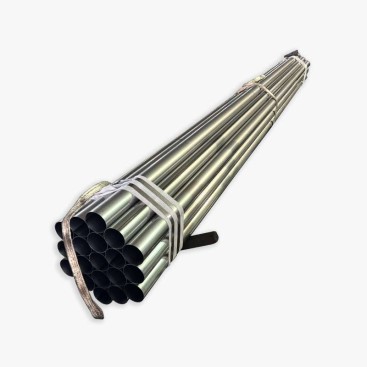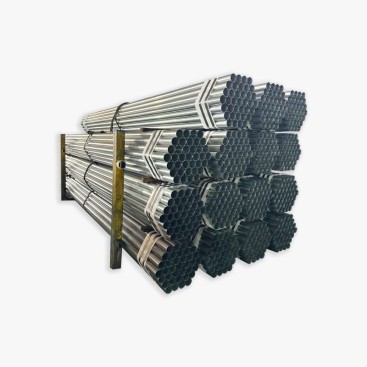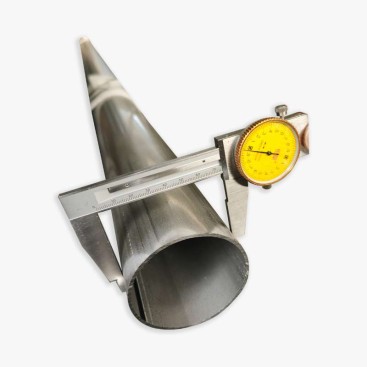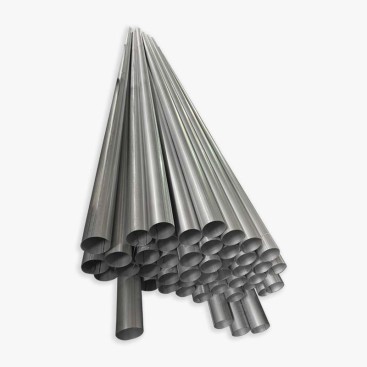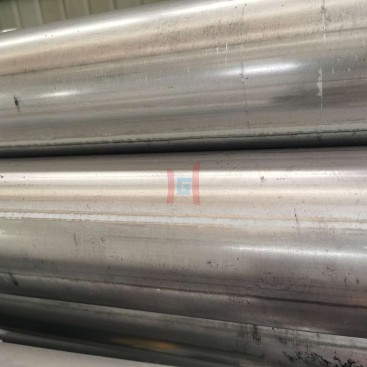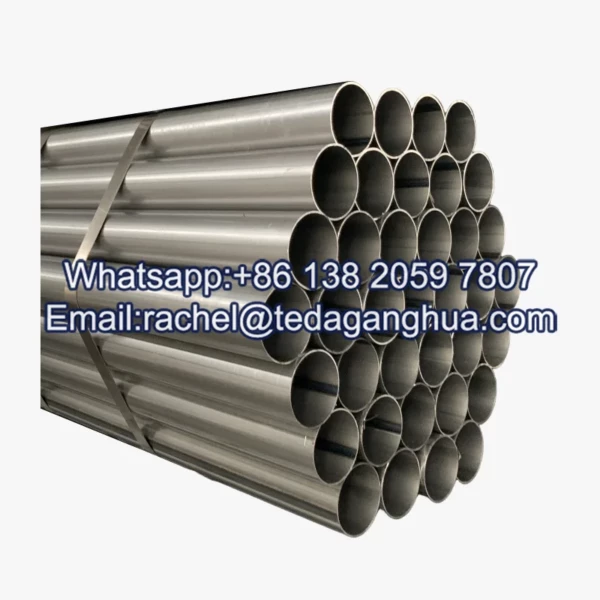
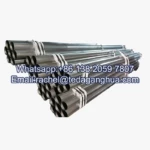
- Description
Description
Choosing 10 ft aluminized steel pipe is a length-planning decision that affects freight, cutting waste, installation labour, and the number of joints in the finished system. A 10 ft section equals 3.048 m, making it a practical option for projects that need manageable lengths, flexible on-site cutting, or compact bundles for distribution. However, shorter sections do not automatically deliver the lowest total cost.
For procurement managers, the best cut length depends on the dimensions of the finished parts, the quantity required, available transport capacity, handling restrictions, and the joining method. A shorter length may simplify unloading and installation, while a longer length can reduce joint preparation and material loss. Comparing these factors before ordering helps determine the most economical length for the entire project rather than just the purchase price per pipe.
1. Why Choose 10 ft Pipe Lengths?
At approximately 3.05 m, a 10 ft section offers a balance between usable length and handling flexibility. It can be easier to move through warehouses, workshops, construction access routes, and smaller installation areas than a 20 ft section. Whether one person can safely handle it depends on the pipe’s diameter, wall thickness, weight, balance, and the working environment.
Where 10 ft Lengths Can Be Useful
- Flexible on-site fabrication: Sections can be cut into shorter pieces as installation dimensions become clear.
- Warehouse and retail distribution: Manageable lengths may simplify storage, picking, bundling, and delivery to smaller customers.
- Restricted access: Shorter sections can be easier to manoeuvre through narrow corridors, service areas, and scaffold access points.
- Small or varied orders: Standardized short lengths can suit customers who need mixed cut sizes without purchasing very long sections.
- Localized replacement work: Short sections may reduce the need to transport and store unused material at the job site.
Short lengths still require safe handling. A 10 ft pipe can be heavy, awkward, or difficult to control depending on its dimensions. Before specifying manual handling, assess the actual piece weight, lifting posture, access route, and site safety requirements rather than assuming that the length alone makes it suitable for one-person lifting.
2. Cut-Length Planning: Reduce Offcuts and Improve Yield
The main advantage of a short standard length is flexibility, but repeated cutting can create more end waste than a well-planned long-length order. The important variable is the relationship between the supplied length and the downstream component lengths.
For example, a 10 ft stock length provides 120 inches before allowing for saw kerf, end trimming, and any required finishing allowance. If a project needs multiple pieces of different lengths, the cutting sequence determines how much usable material remains. A good cutting plan should calculate the number of finished pieces from each stock section, not merely divide total required length by stock length.
A Simple Cutting-Yield Method
- List all required finished lengths and quantities.
- Add allowances for saw kerf, end squaring, beveling, and any finishing operation.
- Test different combinations of parts that can be cut from each standard stock length.
- Calculate reusable offcuts separately from scrap that is too short or unsuitable for another component.
- Compare the total stock length purchased, processing cost, and value of leftover material for each option.
Consider a simplified example in which a job needs two 4 ft components from one 10 ft pipe. The nominal cut length consumed is 8 ft, leaving 2 ft before accounting for cutting and end-preparation allowances. That remainder is useful only if another required part can use it or if it can be retained economically as stock.
By contrast, a job requiring repeated 9 ft components may generate significant waste from a 10 ft stock length. A longer standard length may improve yield if the parts can be cut efficiently from it and the finished pieces can be transported and handled safely. The optimal solution depends on the actual cutting list, not on a general preference for short or long stock.
3. Freight Economics: Less-Than-Truckload vs Full-Truckload
Shorter sections can offer greater flexibility for mixed shipments because they are easier to arrange alongside other compatible cargo, subject to weight, packaging, and carrier restrictions. This can make less-than-truckload (LTL) transport practical for smaller orders. However, LTL freight is not automatically cheaper: handling charges, minimum fees, terminal transfers, dimensional weight rules, and damage exposure can offset the benefits.
Full-truckload (FTL) transport may become more economical when the order volume is large enough to use the available vehicle capacity efficiently. Long pipes can also be shipped by truck, but their length may constrain vehicle choice, loading orientation, and permitted overhang. The best comparison uses a complete quote for the actual packed dimensions and shipment weight.
| Factor | 10 ft Sections | Longer Sections |
|---|---|---|
| Loading flexibility | Often easier to arrange in mixed loads, depending on bundle dimensions. | May require more careful loading orientation and length clearance. |
| LTL suitability | Can suit smaller consignments, subject to carrier rules and handling costs. | May incur additional handling or length-related charges. |
| FTL efficiency | Can be efficient when the order fills available payload and space. | May reduce piece count and joints but can limit loading configurations. |
| Handling and damage | Generally easier to manoeuvre, though more individual pieces may need securing. | Long spans need appropriate support to limit sagging and coating damage. |
| Installation | Offers flexibility but may create more joints and labour. | Can reduce joints and field fabrication on long, straight runs. |
To compare freight options fairly, request rates using the final packed length, width, height, gross weight, number of bundles, pickup and delivery locations, and unloading requirements. For international shipments, also confirm container suitability, packing dimensions, and whether the shipment needs special equipment or handling.
4. Installation Advantages and Site Access
Shorter pipe can be easier to position where installers work around scaffolding, ceilings, machinery, service corridors, or frequent direction changes. It may reduce the space needed to rotate a section into position and simplify moving stock between the unloading point and the work area.
These benefits depend on the installation layout. A project with long, unobstructed pipe runs may gain little from short stock lengths if every additional joint requires alignment, fastening, welding, inspection, or leak testing. Joint count should therefore be included in labour estimates.
Site Conditions to Review
- Access route: Check doorways, turns, lifts, scaffold platforms, and overhead obstructions.
- Working height: Confirm how sections will be raised, restrained, and positioned when working above ground level.
- Jointing method: Estimate the additional preparation, welding, mechanical connections, inspection, or sealing required for shorter pieces.
- Cutting location: Decide whether pieces should be factory-cut or trimmed on site, considering equipment, accuracy, and coating repair.
- Storage area: Make sure the delivered lengths can be staged safely without blocking access or creating trip and handling hazards.
Where pipes are installed at height, shorter sections may be easier to control but can still require mechanical lifting aids or a team lift. Follow the site’s work-at-height and lifting procedures, and do not use scaffolding as an improvised storage rack unless its load capacity and intended use permit it.
5. When Longer Stock Is the Better Choice
Longer standard lengths can be more economical when the project has repeated long components, adequate transport access, and sufficient space for unloading and storage. Fewer joints can reduce installation time and lower the number of potential leak paths or inspection points, depending on the system design and connection method.
The material price per unit length may also be lower for standard mill or stock lengths than for custom-cut pieces, although this depends on supplier processing, order quantity, packing, and market conditions. Always compare the delivered cost of usable material rather than assuming that a longer section automatically has a lower unit price.
Longer stock is worth evaluating when:
- The finished parts are close to the available longer stock length.
- The installation contains long, straight runs with few branches or direction changes.
- The site has adequate lifting equipment and safe access for long sections.
- The freight route and vehicle or container configuration can accommodate the cargo without excessive extra charges.
- Offcuts from the longer stock can be reused efficiently in other parts of the project.
Do not choose longer pipe solely to reduce joint count if the result creates unsafe handling, excessive cutting waste, or transport restrictions. The correct decision minimizes the combined cost of material, processing, logistics, installation, and quality risk.
6. Length Selection Table: Match Stock to Finished Parts
The following guide provides a starting point for selecting stock lengths. Final selection should be based on the actual cut list, tolerances, transport plan, and installation constraints.
| Finished-Length Pattern | Length to Evaluate | Reason |
|---|---|---|
| Many short components with varied dimensions | 10 ft or another manageable stock length | Can simplify handling and allow flexible cutting; verify offcut yield. |
| Repeated components that fit efficiently within 10 ft | 10 ft | May balance stock utilization, transport, and site handling. |
| Parts close to 10 ft with little allowance for cutting waste | A longer stock length, if available and practical | Provides room for end trimming and may reduce unusable offcuts. |
| Long, straight installation runs | Longer stock lengths | Can reduce joint count and installation operations. |
| Restricted access or limited storage space | 10 ft or shorter cut lengths | Can be easier to move and stage, subject to safe lifting limits. |
| Large volumes of standardized long components | Compare standard long lengths with custom cutting | Potentially improves yield and reduces processing, but freight and handling must be included. |
7. Teda Ganghua Supply and Cut-Length Planning
Teda Ganghua supports industrial buyers evaluating aluminized steel tubing dimensions, cut lengths, coating requirements, and shipment planning. For projects using multiple component lengths, procurement teams can prepare a cutting list before ordering to compare standard stock options, custom-cut supply, and the expected volume of reusable offcuts.
When requesting a quotation, specify the outside diameter, wall thickness, required length and tolerance, coating designation, quantity, end condition, application, and delivery destination. If 10 ft stock is being considered, provide the finished-part lengths and quantities as well as any limits on warehouse access, unloading equipment, or transport packaging. This information helps align product supply with the real installation and logistics requirements.
Explore aluminized steel tubes and submit your dimensions and cut-length schedule for review. Confirm the cutting allowances, packing dimensions, freight terms, and coating treatment for cut ends before finalizing the order.
Frequently Asked Questions
1. How long is a 10 ft pipe in metres?
Ten feet equals 3.048 m. The order should specify whether 10 ft is the nominal cut length and state the applicable length tolerance.
2. Are 10 ft pipe sections cheaper to ship?
They can be easier to handle and consolidate with other compatible cargo, but the final cost depends on shipment weight, dimensions, carrier minimums, handling charges, and delivery requirements. Compare complete freight quotes for the actual packed shipment.
3. How can buyers reduce cutting waste?
Prepare a cutting list with required lengths and quantities, then account for saw kerf, end trimming, beveling, and finishing allowances. Compare alternative stock lengths and identify which offcuts can be reused for other components.
4. When should a buyer choose longer pipe instead?
Longer stock may be preferable for repeated long components or straight runs where fewer joints improve installation efficiency. The decision should also account for cutting yield, transport restrictions, storage, and safe handling.
5. Does cutting aluminized steel pipe expose the substrate?
Cutting can expose the substrate at the cut edge. The appropriate edge treatment or coating repair depends on the product specification and service environment, so it should be defined in the purchase or fabrication requirements.