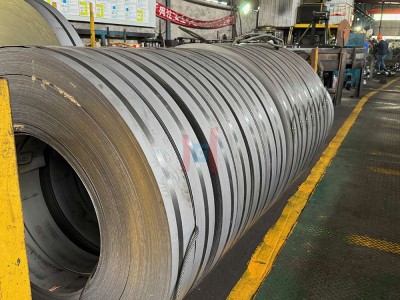
Structure and Performance of Aluminum-Silicon Coating
Aluminum-silicon coating is made from aluminum and silicon. It has a porous texture and offers excellent corrosion resistance. The coating is typically about 5 µm thick. Due to its good processing and decorative properties, it is widely used in automobile bodies, wheels, and other components.
Welding Requirements for Aluminum-Silicon Coating
The unique structure and composition of aluminum-silicon coating require specific welding methods. Common methods include MIG/MAG welding, laser welding, and resistance welding. Below are the key requirements for each:
MIG/MAG Welding
- Gas-shielded welding wire must be used.
- The welding area should be cleaned by degreasing, derusting, and polishing to ensure weld quality.
- Welding temperature and speed must be controlled to prevent large heat-affected zones and oxide scale formation.
Laser Welding
- Appropriate welding parameters should be selected to avoid excessive melting depth and heat-affected zones.
- The welding surface must be clean before starting.
- Beam intensity and welding speed must be adjusted for optimal results.
Resistance Welding
- The welding surface requires degreasing and rust removal.
- Welding time and temperature must be controlled to avoid overheating, which can cause coating peeling and reduce weld quality.
Summary
Aluminum-silicon coating is a critical material in the automotive industry. Its welding performance significantly impacts safety and quality. Proper preparation and control of factors such as temperature, speed, and time are essential for achieving high-quality welds. Each welding method has specific requirements to ensure the best results.