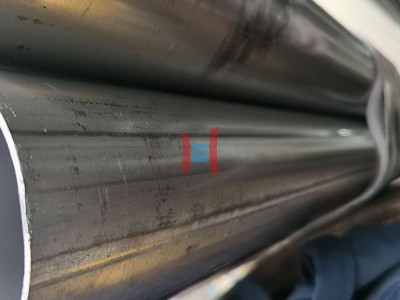
การกัดกร่อนจากการเชื่อมในระบบไอเสียอลูมิไนซ์: สาเหตุและแนวทางแก้ไข
การวิเคราะห์การกัดกร่อนของรอยเชื่อม: Why Weld Zones Become the First Failure Point in Aluminized Exhaust Systems
Weld corrosion in aluminized exhaust systems is one of the most common reasons for premature rust-through failures. Although aluminized steel provides excellent oxidation resistance through its aluminum-rich coating, welding can locally destroy the original protective layer and create a vulnerable area where corrosion begins.
For exhaust manufacturers, understanding why weld zones fail first is essential for improving component life. The problem is not the entire material system, but the interaction between coating damage, thermal effects, and post-weld corrosion behavior.
Why Weld Areas Become the Weakest Point
ระหว่างการเชื่อม, the heat source can raise the local temperature far beyond normal service conditions. The aluminum coating near the weld is affected by melting, evaporation, ออกซิเดชัน, and diffusion. Once the coating protection is reduced, the exposed steel substrate becomes easier to attack by moisture, เกลือ, and acidic exhaust condensate.
| Weld Zone Area | Main Change | Corrosion Risk |
|---|---|---|
| Weld Pool | Original coating removed during melting | สูง |
| Heat Affected Zone (HAZ) | Aluminum diffusion and coating thinning | Medium to High |
| Base Metal | Original Al-Si coating remains | ต่ำกว่า |
Three Main Causes of Weld Rust-Through
1. Coating destruction during welding
The aluminum coating is designed to form a protective aluminum oxide layer. อย่างไรก็ตาม, welding temperatures exceed the melting point of aluminum, causing the coating around the joint area to disappear or transform.
Without sufficient aluminum protection, the steel surface depends on secondary protection methods such as weld design, corrosion-resistant filler materials, or post-weld treatment.
2. Galvanic corrosion between different zones
The welded area may contain differences between aluminum-coated regions, exposed steel, and weld metal. These potential differences can accelerate local electrochemical corrosion, especially in wet environments containing chloride ions.
3. Exhaust condensate attack
Automotive exhaust systems frequently experience condensation during cold starts. Water mixed with sulfur compounds and acidic substances can accumulate around weld seams, making damaged coating areas the first corrosion initiation points.
Welding Methods and Their Influence on Corrosion Resistance
| วิธีการเชื่อม | ข้อดี | Control Point |
|---|---|---|
| การเชื่อมทิก | Precise heat control and clean welds | Avoid excessive heat input |
| High Frequency Welding | Suitable for exhaust tubes | Maintain stable edge quality |
| การเชื่อมด้วยเลเซอร์ | Small heat affected zone | Control penetration depth |
How Manufacturers Improve Weld Corrosion Resistance
- Optimize welding parameters to reduce heat input.
- Control weld width to minimize coating damage.
- Use suitable post-weld protection methods when required.
- Select proper aluminized coating thickness for the service environment.
- Perform corrosion testing on welded components instead of only base material testing.


Aluminized Steel vs Stainless Steel Weld Zone Performance
| Factor | เหล็กอลูมิไนซ์ | สแตนเลส |
|---|---|---|
| Protection System | Aluminum coating | Chromium oxide passive film |
| Weld Influence | Coating damage requires control | Base alloy provides protection |
| Common Application | Cost-sensitive exhaust systems | Higher corrosion requirement systems |
Teda Ganghua Aluminized Steel Coil Solution
Teda Ganghua supplies aluminized steel coil products for automotive exhaust systems, ส่วนประกอบทนความร้อน, และงานอุตสาหกรรม. The company focuses on stable coating quality, ข้อกำหนดที่กำหนดเอง, and processing support for customers requiring reliable high-temperature performance.
With coil supply, การตัด, and customized processing services, customers can select suitable aluminized steel solutions according to welding requirements and operating conditions. More product information is available at:
ขดลวดเหล็กอลูมิไนซ์.
บทสรุป
The weld area is often the first corrosion location in aluminized exhaust systems because welding removes part of the original aluminum protection. Proper welding control, coating selection, and post-weld evaluation are essential to achieve long service life in high-temperature exhaust environments.