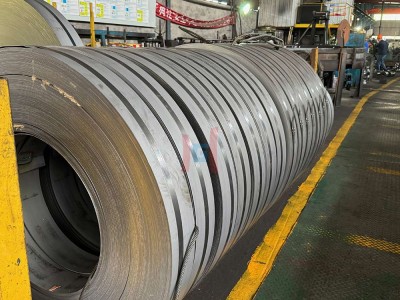
500-小时盐雾测试: 镀铝钢与 409 不锈钢
盐雾试验是评估沿海环境耐腐蚀性能的常用方法之一. When aluminum-coated steel pipes and 409 stainless steel are exposed to chloride-rich conditions, their corrosion protection mechanisms show significant differences. Aluminum coating relies on a sacrificial barrier effect and stable aluminum oxide formation, 尽管 409 stainless steel depends on a chromium oxide passive film. Understanding the 500-hour salt spray performance helps engineers select suitable materials for exhaust systems, marine equipment, and outdoor applications. :contentReference[oaicite:0]{index=0}
Why Coastal Salt Spray Environments Are Extremely Challenging
Coastal environments contain high concentrations of chloride ions from seawater mist. These ions can penetrate protective layers, accelerate electrochemical reactions, and create localized corrosion points. For exhaust components, the challenge becomes greater because materials experience both high-temperature oxidation and repeated cooling cycles.
A 500-hour salt spray test does not represent an exact field lifetime, but it provides valuable information about surface protection stability, coating damage resistance, and corrosion initiation behavior.
Protection Mechanisms of Aluminum Coating and 409 不锈钢
| Material System | Main Protection Layer | Corrosion Protection Principle |
|---|---|---|
| Aluminum-coated steel | 氧化铝 (铝2O₃) | Barrier protection plus sacrificial aluminum protection |
| 409 不锈钢 | Chromium oxide (Cr₂O₃) | Passive film protection from chromium oxidation |
500-Hour Salt Spray Performance Comparison
During salt spray exposure, aluminum-coated steel generally benefits from the continuous aluminum layer. Even when small scratches expose the edge area, aluminum can provide sacrificial protection and generate corrosion products that slow further attack. Long-term atmospheric studies of hot-dip aluminized steel have shown good resistance in marine environments because protective aluminum corrosion products can reduce further corrosion activity. :contentReference[oaicite:1]{index=1}
409 stainless steel forms a protective chromium oxide film, which provides better corrosion resistance than ordinary carbon steel. 然而, in chloride-rich conditions, localized pitting may occur because the passive film can break down under aggressive salt exposure. :contentReference[oaicite:2]{index=2}
| Test Item | Aluminum-Coated Pipe | 409 不锈钢 |
|---|---|---|
| Initial protection | Strong external coating barrier | Cr₂O₃ passive film protection |
| Salt spray resistance | Excellent when coating remains continuous | Good but sensitive to chloride pitting |
| Scratch response | Aluminum provides local protection | Passive film can regenerate after minor damage |
| Main failure mode | Coating consumption and steel exposure | Pitting corrosion after passive film breakdown |
Why Aluminum Coating Performs Well Near the Ocean
The advantage of aluminum-coated steel comes from multiple protection mechanisms. The aluminum surface reacts with oxygen and forms a stable oxide layer. At damaged areas, aluminum can act as a sacrificial material, protecting exposed steel before corrosion becomes severe.
Research on aluminized steel in marine environments has shown that even areas with scratches and exposed edges can maintain good corrosion resistance because aluminum-based corrosion products remain attached to the surface and reduce further electrochemical reactions. :contentReference[oaicite:3]{index=3}


为什么 409 Stainless Steel May Show Rust Spots in Salt Conditions
409 stainless steel contains chromium that forms a passive Cr₂O₃ layer. This mechanism provides strong protection in many industrial applications. 然而, coastal salt environments contain chloride ions that can penetrate weak points and trigger pitting corrosion.
耐腐蚀性能 409 stainless steel is higher than ordinary carbon steel, but it is lower than higher-alloy stainless grades designed for severe chloride environments. Laboratory corrosion studies have reported localized pitting behavior of 409 stainless steel under cyclic salt exposure conditions. :contentReference[oaicite:4]{index=4}
Key Factors Affecting Coastal Service Life
| Environmental Factor | Effect on Aluminum Coating | Effect on 409 不锈钢 |
|---|---|---|
| Chloride ions | Consume aluminum gradually | Increase pitting risk |
| Humidity | Accelerates coating reactions | May weaken passive film stability |
| Mechanical damage | Reduces coating thickness locally | Exposes fresh metal surface |
Choosing the Right Material for Marine and Exhaust Applications
Material selection depends on operating temperature, 氯化物暴露, 机械应力, and expected maintenance cycles. Aluminum-coated steel is often selected where strong oxidation resistance and cost-effective corrosion protection are required. 409 stainless steel is suitable where stainless properties and heat resistance are priorities.
Teda Ganghua Industrial Material Solutions
Teda Ganghua provides metal supply and processing solutions for industries requiring corrosion resistance, 耐热性, and reliable long-term performance. Through professional material selection support, customers can choose suitable products for exhaust systems, coastal equipment, 和工业应用. More information is available in the 镀铝钢卷 product category.
FAQ About Salt Spray Performance of Aluminum Coating and 409 不锈钢
1. Does a 500-hour salt spray test equal real outdoor service time?
不. Salt spray testing accelerates corrosion conditions and is mainly used for comparing protection performance rather than predicting exact service years.
2. Why does aluminum-coated steel perform well in marine environments?
The aluminum layer creates a protective oxide barrier and provides sacrificial protection when small damage occurs.
3. 能 409 stainless steel rust in coastal environments?
是的. Although it has chromium-based protection, chloride exposure can cause localized pitting and surface rust.
4. Which material is better for exhaust pipes near the ocean?
最佳选择取决于温度, salt exposure, required lifetime, and fabrication conditions.
5. How can corrosion resistance be improved after fabrication?
Proper handling, edge protection, suitable welding procedures, 正确的材料选择可以提高长期性能.