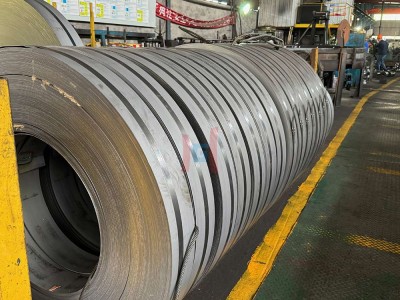
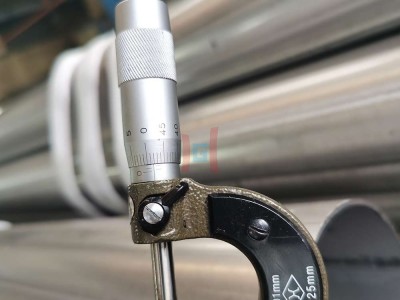
أنابيب فولاذية بالألمنيوم لعوادم المركبات التجارية
Commercial vehicle and agricultural machinery exhaust systems operate under demanding conditions. ساعات التشغيل الطويلة, اهتزاز المحرك, غبار الطريق, الطين, رُطُوبَة, ملح, and repeated thermal cycles can accelerate exhaust corrosion. For these applications, aluminized steel tubes can provide a practical balance between corrosion protection, الأداء الحراري, fabrication efficiency, and material utilization.
The key is not simply to select the lowest-cost material. A better approach is to match the tube construction and coating system with the actual exhaust environment. When the application is correctly defined, aluminized steel can provide a durable solution for many medium- and heavy-duty exhaust components.
Core principle: The economic advantage of aluminized steel comes from using sufficient corrosion and heat protection for the actual operating environment, rather than automatically specifying a more highly alloyed material for every exhaust component.
Why Commercial Vehicles Need a Different Exhaust Strategy
Commercial vehicles often accumulate substantially more operating hours than passenger cars. شاحنات, buses, construction vehicles, agricultural tractors, harvesters, and other work machines may operate for extended periods under high engine loads.
The exhaust system is therefore exposed to a combination of heat, اهتزاز, mechanical impact, التكثيف, تراب, and environmental corrosion. In agricultural machinery, the problem can become more severe because mud, fertilizer residues, رُطُوبَة, plant debris, and soil can remain around the exhaust components.
These conditions make coating integrity, tube thickness, جودة اللحام, mounting design, and drainage important factors. A material that performs adequately on a lightly used passenger vehicle may not provide the same service margin on a machine that works for many hours every day.
How Aluminized Steel Protects an Exhaust Tube
Aluminized steel consists of a steel substrate with an aluminum-based coating. During service, the aluminum-rich surface can form protective oxide products that slow further oxidation. This mechanism makes the material useful in applications where the exhaust surface is repeatedly exposed to elevated temperatures.
The coating also provides protection against atmospheric corrosion. لكن, the protection is not unlimited. Severe mechanical damage, aggressive corrosion, poorly controlled forming, or extensive coating loss around fabricated areas can expose the underlying steel.
| Operating Factor | Exhaust Risk | مادة / Design Response |
|---|---|---|
| High exhaust temperature | Accelerated oxidation | Use a coating system suitable for the expected thermal range |
| Repeated thermal cycling | Thermal fatigue and coating stress | Control tube design, تشكيل, لحام, and support points |
| Road salt and moisture | External corrosion | Maintain coating integrity and avoid water traps |
| Mud and agricultural debris | Localized corrosion and heat retention | Improve routing, clearance, cleaning, and drainage |
| Engine vibration | Cracking at welds or mounting points | Optimize brackets, joints, and weld geometry |
| Long service hours | Cumulative corrosion and fatigue | Validate the material against the complete duty cycle |
Where Aluminized Tubes Make Sense on Work Machines
Aluminized steel is commonly considered for exhaust pipes, كاتمات الصوت, intermediate tubes, مداخن العادم, and other fabricated exhaust components. The most suitable location depends on exhaust temperature, التعرض للتآكل, سمك الجدار, joining method, and expected operating life.
For commercial vehicles, downstream exhaust sections can often benefit from the combination of corrosion protection and fabrication flexibility offered by coated steel. Agricultural machinery can also use the material when the design accounts for external contamination and mechanical exposure.
التطبيقات النموذجية
- Truck exhaust pipes and intermediate sections
- Bus exhaust components
- Tractor exhaust tubes
- Harvester and agricultural machinery exhaust systems
- Construction and off-road equipment
- Industrial engine exhaust assemblies
The “Low-Cost Survival” Rule Is Really About Total Service Life
Choosing a lower-cost material does not automatically produce the lowest total operating cost. An exhaust tube that fails prematurely may require machine downtime, replacement labor, مواصلات, and additional maintenance. For commercial fleets and agricultural operators, downtime can be more expensive than the original component.
A better economic calculation considers material cost together with service life, fabrication efficiency, replacement frequency, maintenance access, and failure consequences.
| Cost Consideration | What to Evaluate |
|---|---|
| Material utilization | Tube thickness, القطر, طول, and nesting efficiency |
| تلفيق | قطع, الانحناء, تشكيل, إحراق, and welding requirements |
| Coating durability | Expected exposure to heat, رُطُوبَة, ملح, and mechanical damage |
| Maintenance | Inspection frequency and replacement accessibility |
| Downtime | Production loss caused by exhaust failure |
| خدمة الحياة | Expected operating hours and environmental exposure |
Thickness Should Be Selected by Duty Cycle, Not Habit
One common purchasing mistake is to use the same tube wall thickness across every machine because it simplifies inventory. لكن, exhaust tubes experience different combinations of pressure, اهتزاز, درجة حرارة, تآكل, and mechanical loading.
Thinner material can improve weight and forming efficiency, but insufficient wall thickness can reduce the corrosion allowance and mechanical margin. Excessive thickness, on the other hand, can increase weight and make forming and welding more demanding.
The correct thickness should therefore be established from the component geometry, support spacing, vibration environment, corrosion allowance, عملية التصنيع, ومدة الخدمة المطلوبة.
Welding Is a Critical Weak Point
Even when the tube material is correctly selected, poor welding can shorten the life of an exhaust assembly. Commercial and agricultural equipment produces significant vibration, so welds and brackets can experience repeated cyclic loading.
Coating damage around the weld zone should also be considered. Welding can locally remove or alter the protective coating, leaving the fabricated region more vulnerable if it is not properly designed and protected.
For production parts, welding procedures should therefore be developed together with tube dimensions and coating requirements. Weld penetration, heat input, joint design, distortion, bracket placement, and post-weld protection should all be controlled.
Agricultural Machinery Has an Extra Corrosion Problem
Agricultural equipment often works in environments where water and contaminants accumulate around the machine. Soil, fertilizer, plant residue, and mud can remain attached to exhaust components for extended periods.
These deposits can create localized wet areas and restrict heat dissipation. لذلك, material selection should be combined with good exhaust routing. Adequate clearance, drainage, cleaning access, and protection from direct mechanical impact can be just as important as the tube material itself.
Agricultural equipment rule: Do not evaluate exhaust durability from temperature alone. External mud, رُطُوبَة, fertilizer residues, اهتزاز, and cleaning practices can strongly influence the actual service environment.
الصلب بالألمنيوم مقابل. 409 غير القابل للصدأ: A Practical Decision
Aluminized steel and 409 stainless steel should not be treated as interchangeable materials. Aluminized steel relies on its protective coating, بينما 409 obtains corrosion and oxidation resistance from the alloy itself.
For applications where the coating can remain intact and the operating conditions are suitable, aluminized steel can provide a practical solution. Where coating damage, severe corrosion, or specific OEM stainless requirements become dominant concerns, a stainless grade may be more appropriate.
| Factor | الصلب بالألمنيوم | 409 الفولاذ المقاوم للصدأ |
|---|---|---|
| Protection mechanism | Aluminum-based coating | Chromium-containing stainless substrate |
| Coating damage sensitivity | Important consideration | No separate aluminum coating is required |
| Exhaust application | Widely used where conditions are suitable | Widely used for automotive exhaust components |
| Material selection | Depends strongly on coating and service environment | Depends on temperature and corrosion requirements |
| Best approach | Protect the coating through design and fabrication | Select the correct stainless grade for the service zone |
Five Rules for Extending Exhaust Tube Life
- Match the material to the thermal zone. Do not assume every section experiences the same temperature.
- Protect the coating during fabrication. تشكيل, قطع, and welding should be controlled to minimize unnecessary coating damage.
- Control vibration. Brackets and flexible sections should prevent excessive cyclic stress at the tube and welds.
- Prevent water traps. Tube routing and drainage should reduce long-term moisture accumulation.
- Inspect the complete assembly. Material quality alone cannot compensate for poor support design or uncontrolled welding.
Sourcing Aluminized Steel Tubes for Commercial and Agricultural Equipment
For fleet replacement, agricultural machinery, and industrial engine projects, buyers should specify the tube material, نظام الطلاء, القطر الخارجي, سمك الجدار, التسامح الأبعاد, متطلبات التشكيل, and intended operating environment before production begins.
Teda Ganghua supports industrial buyers with أنابيب الصلب بالألمنيوم for exhaust and other high-temperature applications. The sourcing process can be aligned with tube dimensions, fabrication requirements, مواصفات الطلاء, and application conditions.
For commercial vehicles and agricultural machinery, the objective should be more than selecting a low-cost tube. Teda Ganghua can help buyers evaluate the required material configuration and processing route so that the finished tube is suitable for bending, لحام, installation, and long-term field operation.


Final Takeaway
The practical advantage of aluminized steel in commercial and agricultural exhaust systems comes from a combination of material protection and sensible engineering. Its aluminum-based coating can provide useful resistance to oxidation and atmospheric corrosion, while the steel substrate offers the strength and formability required for fabricated exhaust tubes.
لكن, long service life depends on more than the coating. درجة حرارة, سمك الجدار, tube routing, لحام, اهتزاز, الطين, رُطُوبَة, and maintenance must all be considered. When these factors are controlled together, aluminized steel can become a practical solution for demanding exhaust applications without unnecessary material over-specification.
التعليمات
Why is aluminized steel used for commercial vehicle exhaust pipes?
It combines a steel substrate with an aluminum-based protective coating, providing useful oxidation and corrosion protection for many exhaust applications while remaining suitable for forming and fabrication.
Is aluminized steel suitable for agricultural machinery?
نعم, when the material and coating system are suitable for the actual temperature and environmental conditions. Mud, fertilizer residues, رُطُوبَة, اهتزاز, and mechanical impact should also be considered during exhaust design.
Does thicker aluminized tubing always last longer?
ليس بالضرورة. Thickness affects corrosion allowance and mechanical strength, but service life also depends on coating integrity, لحام, اهتزاز, drainage, درجة حرارة, والتعرض الخارجي.
يمكن استبدال الفولاذ بالألمنيوم 409 الفولاذ المقاوم للصدأ?
ولا ينبغي معاملته كبديل مباشر. تستخدم المادتان آليات مختلفة للحماية من التآكل ويجب اختيارهما وفقًا للمواصفات الهندسية المعتمدة وبيئة الخدمة.
ما الذي يجب على المشترين تحديده عند طلب أنابيب العادم?
على الأقل, يجب على المشترين تحديد الركيزة, نظام الطلاء, أبعاد الأنبوب, سمك الجدار, التسامح, متطلبات التشكيل واللحام, وثائق التفتيش, وبيئة التشغيل المتوقعة.