Classification of Steel Materials
Steel materials are categorized based on their properties, composition, and applications. Below is a concise overview of their classifications.
1. Finished Products
Steel materials are used in various forms:
Building Materials
- Rebar
- Wire rods
- Coils
- Round steel
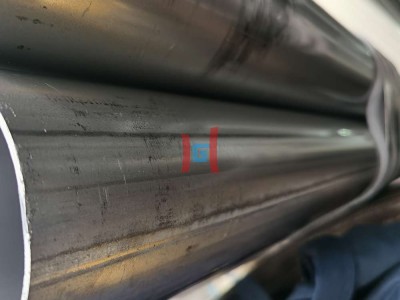
Pipes
- Seamless pipes
- Welded pipes
Plates
- Cold-rolled and hot-rolled plates/coils
- Medium and thick plates
- Coated plates (galvanized, tin-coated, color-coated, aluminum-zinc coated)
- Silicon steel
- Strip steel
Profiles
- Angle grooves
- H-shaped steel
- Square steel
- Flat steel
- Bulb flat steel
2. Special Steels
Special steels serve unique purposes, including:
- Structural steel
- Tool steel
- Mold steel
- Spring steel
- Bearing steel
- Hard wires
3. Steel Composition
Steel is an alloy of iron and carbon, with carbon content ranging from 0.0218% to 2.11%. To maintain toughness and plasticity, carbon content is usually below 1.7%. Steel also contains elements like silicon, manganese, sulfur, and phosphorus.
4. Classification Methods
By Quality
- Ordinary Steel: P ≤ 0.045%, S ≤ 0.050%
- High-Quality Steel: P, S ≤ 0.035%
- Advanced High-Quality Steel: P ≤ 0.035%, S ≤ 0.030%
By Chemical Composition
- Carbon Steel:
- Low carbon steel (C ≤ 0.25%)
- Medium carbon steel (0.25% ≤ C ≤ 0.60%)
- High carbon steel (C ≥ 0.60%)
- Alloy Steel:
- Low alloy steel (total alloying content < 5%)
- Medium alloy steel (5% ≤ total alloying content ≤ 10%)
- High alloy steel (total alloying content > 10%)
By Forming Method
- Forged steel
- Cast steel
- Hot-rolled steel
- Cold-drawn steel
By Metallographic Structure
- Annealed:
- Hypoeutectoid steel (ferrite + pearlite)
- Eutectoid steel (pearlite)
- Hypereutectoid steel (pearlite + cementite)
- Ledeburite steel (pearlite + cementite)
- Normalized:
- Pearlite steel
- Bainite steel
- Martensite steel
- Austenite steel
By Use
- Engineering Steel:
- Ordinary carbon structural steel
- Low alloy structural steel
- Reinforced steel
- Tool Steel:
- Carbon tool steel
- Alloy tool steel
- High-speed tool steel
- Special Performance Steel:
- Stainless steel
- Heat-resistant steel
- Wear-resistant steel
- Low-temperature steel
- Electrical steel
By Smelting Method
- Electric arc furnace steel
- Electric slag furnace steel
- Induction furnace steel
- Vacuum consumable furnace steel
- Electron beam furnace steel
Summary
Steel materials are classified into finished products and special steels, with further divisions based on composition, forming methods, metallographic structures, uses, and smelting techniques. This co