Cos'è il tubo d'acciaio alluminato? Guida completa al rivestimento, Proprietà, Applicazioni & Standard
I tubi in acciaio alluminato sono diventati un materiale importante nelle industrie con requisiti sempre più esigenti in termini di resistenza meccanica, resistenza al calore, e resistenza alla corrosione. Made from a steel substrate coated with a protective aluminum-silicon layer, aluminized steel tubes offer an effective balance of durability, prestazione termica, and service life. They are widely used in automotive exhaust systems, forni industriali, scambiatori di calore, and high-temperature ventilation systems.
What Are Aluminized Steel Tubes?
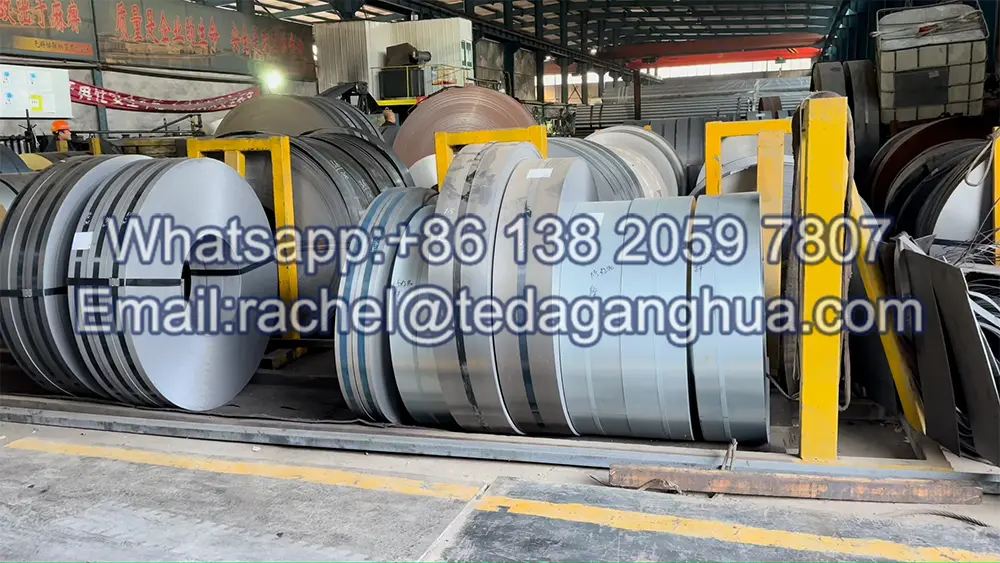
Aluminized steel tubes are carbon steel tubes coated with an aluminum-based alloy through a hot-dip aluminizing process. The coating forms a metallurgical bond with the steel substrate, creating a highly protective outer layer.
Their core value lies in combining:
- The structural strength of steel
- The corrosion resistance of aluminum
- Excellent heat resistance and thermal reflectivity
Steel Core: The Substrate
The substrate plays a crucial role in determining the final performance of aluminized steel tubes. Common steel grades include:
| Standard | Common Grade | Main Application |
|---|---|---|
| ASTM | A53 | General-purpose structural tubing |
| ASTM | A106 | Servizio ad alta temperatura |
| ASTM | A36 | Structural fabrication |
| DIN | St37 | Industrial tubing |
| GB | Q235 | General-purpose steel applications |
The chemical composition, carbon content, and wall thickness uniformity of the steel all affect coating adhesion and long-term performance.
Prima del rivestimento, the substrate typically undergoes the following treatments:
- Decapaggio
- Flux treatment
- Drying and preheating
Aluminum-Silicon Alloy Coating
What distinguishes these tubes is their aluminized coating. A typical Type 1 aluminized coating contains:
- Alluminio: approximately 90%
- Silicio: 9–10% [Il ruolo del silicio nell'acciaio alluminato: Why 9–10% Silicon Content Matters]
- Trace amounts of iron
Silicon plays a crucial role in controlling the growth of brittle iron-aluminum intermetallic compounds.
Struttura del rivestimento
Outer pure aluminum layer
↓
Aluminum-silicon alloy layer
↓
Strato di diffusione Fe-Al[The Fe-Al Intermetallic Layer in Aluminized Steel: Formazione, Controllo dello spessore, and Quality]
↓
Substrato in acciaio
How the Coating Bonds to Steel
The hot-dip aluminizing process includes:
- Preheating the steel tube[How to Weld Aluminized Steel Pipe Without Damaging the Aluminum Coating]
- Immersion in a molten aluminum bath at 680–720°C
- Controlled withdrawal[Forming and Bending Aluminized Steel Tubes Without Coating Damage]
- Cooling and solidification
During immersion, iron and aluminum atoms diffuse at high temperatures, forming a strong metallurgical bonding layer.[Aluminized Steel Coating Repair: Post-Processing Repair Methods and Solutions]
The main intermetallic compounds include:
- FeAl₃
- Fe₂Al₅
Controlling the thickness of these layers is essential to prevent excessive embrittlement.[Processo di alluminizzazione a caldo: Come vengono prodotti i tubi in acciaio alluminato]
Tipo 1 contro. Tipo 2 Acciaio alluminato
| Proprietà | Tipo 1 | Tipo 2 |
|---|---|---|
| Coating composition | Silicon content of 8–11% | More than 99% alluminio |
| Main advantage | Resistenza al calore | Resistenza alla corrosione atmosferica |
| Typical application | Sistemi di scarico | Roofing and architectural panels |
Proprietà chiave
| Proprietà | Prestazione |
|---|---|
| Resistenza al calore | Withstands temperatures of up to 700–800°C (Tipo 1)[Tipo 1 contro. Tipo 2 Acciaio alluminato: Differenze di rivestimento, Resistenza al calore, and Application Guide] |
| Resistenza alla corrosione | Superior to galvanized steel in high-temperature environments |
| Thermal reflectivity | More than 80% |
| Mechanical strength | Retains the strength of the substrate |
[Test in nebbia salina ASTM B117 per acciaio alluminato: A Detailed Look at Corrosion Performance]
[Test in nebbia salina ASTM B117 per acciaio alluminato: Test Duration, Prestazione, and Corrosion Comparison]
Alluminizzato, Zincato, and Stainless Steel Tubes
| Proprietà | Acciaio alluminato | Acciaio zincato | Acciaio inossidabile |
|---|---|---|---|
| Resistenza al calore | Eccellente | Povero | Eccellente |
| Resistenza alla corrosione | Alto | Moderare | Molto alto |
| Saldabilità | Bene | Moderare | Bene |
| Vita utile | Lungo | Moderare | Very long |
Per saperne di più:[Acciaio alluminato vs. Acciaio zincato: Che offre prestazioni migliori nelle applicazioni ad alta temperatura?]
[Acciaio alluminato, 409 Acciaio inossidabile, E 304 Tubi di scarico in acciaio inossidabile: A Guide to Cost, Durata di servizio, e prestazioni]
[Come distinguere l'acciaio alluminato 409 Acciaio inossidabile]


Applicazioni comuni
- Sistemi di scarico automobilistici[Perché le case automobilistiche scelgono l'acciaio alluminato per i sistemi di scarico | Heat Resistance and Corrosion Protection]
- Tubi per forni industriali
- Scambiatori di calore[Why Aluminized Steel Tubes Are Used in Heat Exchangers | Heat Resistance and Cost Efficiency]
- Ventilation and chimney systems[Why Aluminized Steel Tubes Are Ideal for Industrial Chimneys and Flue Systems]
- Attrezzature per l'essiccazione agricola
Standards and Specifications
- ASTM A929
- ASTM A463 / A463M
- HE G3314
- IN 10346
- GB/T standards
[Global Aluminized Steel Tube Standards: A Comparative Guide to ASTM, LUI, IN, and GB Standards]
Buying Guide
How to Evaluate Coating Quality
- Bend testing to evaluate adhesion performance
- Metallographic analysis
- Misurazione dello spessore del rivestimento
Common Defects
- Pinholes
- Coating blisters
- Overly brittle alloy layers
[Common Defects in Aluminized Steel Tubes: Causes, Ispezione, and Prevention Guide]
Key Purchasing Parameters
[Aluminized Steel Tube Quality Inspection: 5 Tests Buyers Should Know]
Be sure to specify:
- Outside diameter
- Spessore della parete
- Coating thickness
- Tipo 1 o Tipo 2
- Required standard
Professional Supply and Processing Support
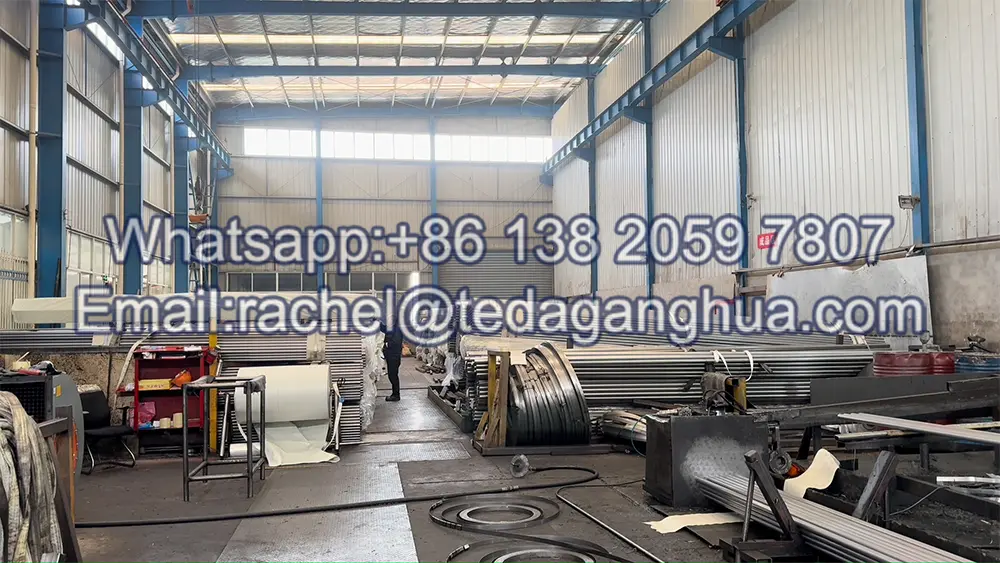
Teda Ganghua supplies high-quality aluminized steel tubes for a wide range of industrial and commercial applications. With advanced processing capabilities, rigoroso controllo di qualità, and extensive global export experience, Teda Ganghua provides customized dimensions, taglio, fabbricazione, and logistics solutions to meet customer requirements.
Click here to explore more products:
Tubi in acciaio alluminato
Domande frequenti
1. Are aluminized steel tubes suitable for outdoor use?
SÌ. Tipo 2 aluminized steel is particularly suitable because it offers excellent resistance to atmospheric corrosion.
2. Can aluminized steel tubes withstand high temperatures?
SÌ. Tipo 1 aluminized steel can typically withstand temperatures of up to 700–800°C. [Perché gli OEM preferiscono 409 Acciaio inossidabile per sistemi di scarico]
3. L'acciaio alluminato è migliore dell'acciaio zincato per i sistemi di scarico?
SÌ. L'acciaio alluminato offre prestazioni significativamente migliori nelle applicazioni di scarico ad alta temperatura.[Materiali di scarico: 439 contro 441 contro 409 & Alluminizzato 409]
4. What is the main benefit of silicon in the coating?
Silicon helps control the growth of the intermetallic layer and reduces coating brittleness.
5. Which industries use aluminized steel tubes most extensively?
The automotive, riscaldamento industriale, ventilazione, and heat exchanger manufacturing sectors are the main users. [Tubi in Acciaio Alluminato per Scarichi Veicoli Commerciali]
[2025 Aluminized Steel Tube Price Guide: Fattori che incidono sui costi]