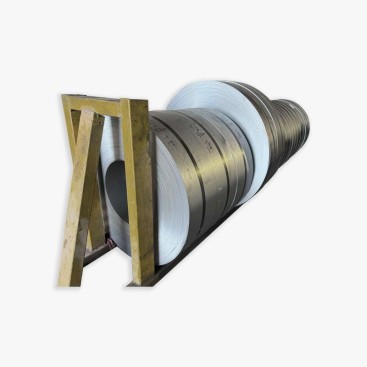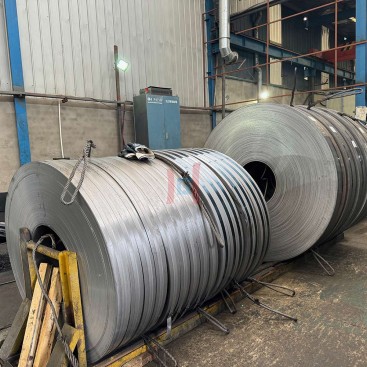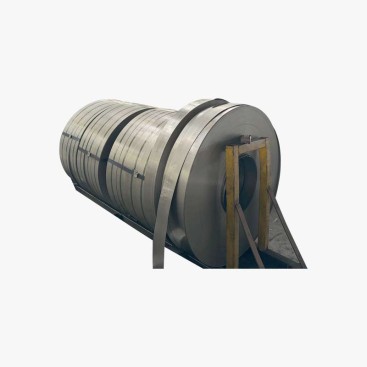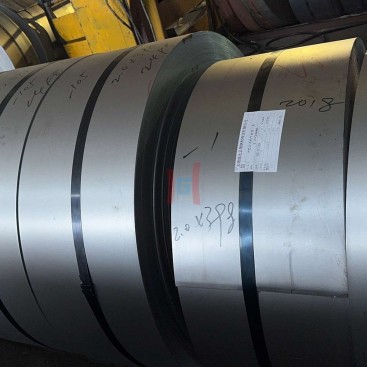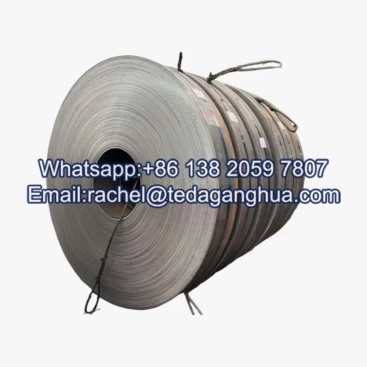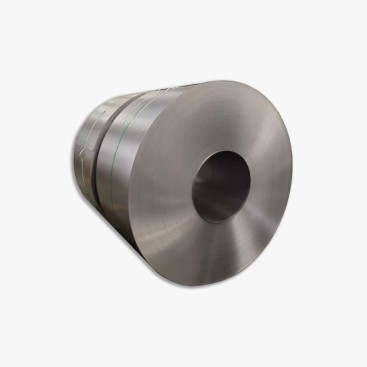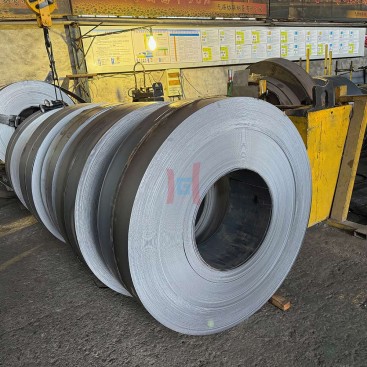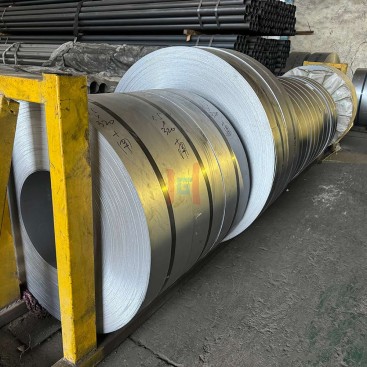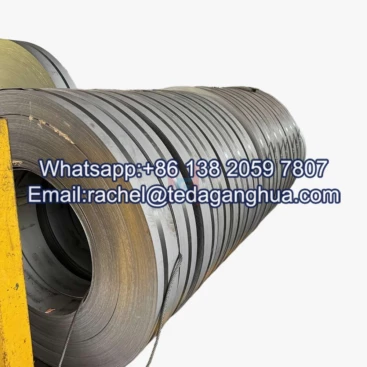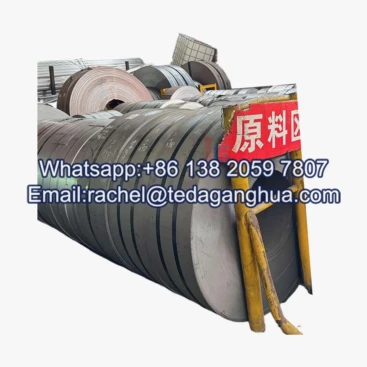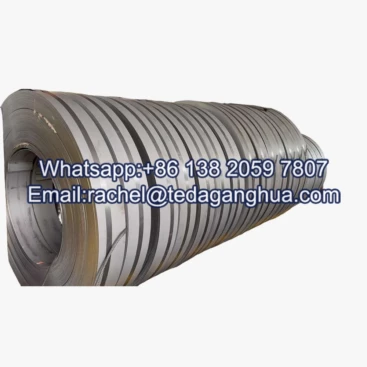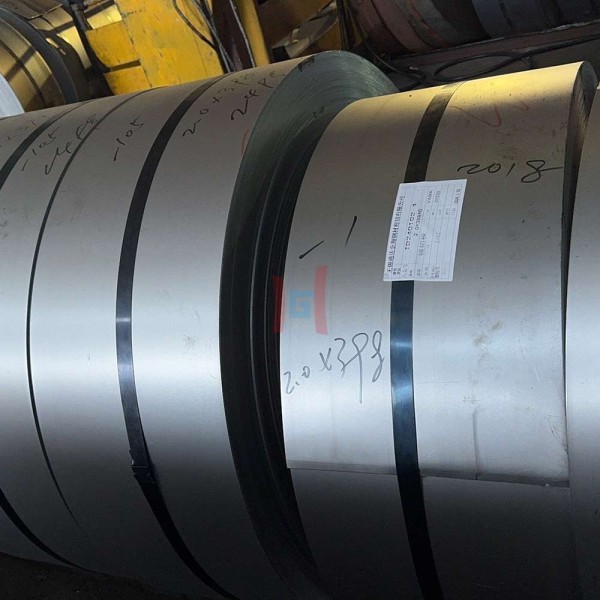
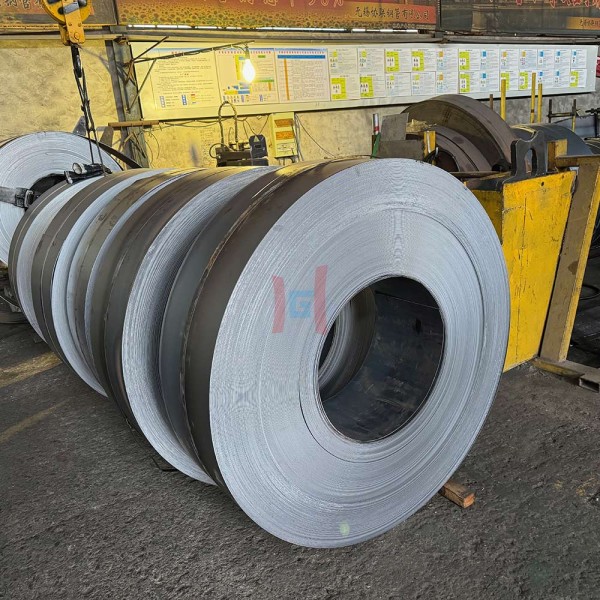


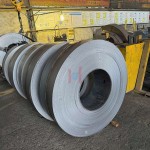
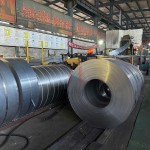
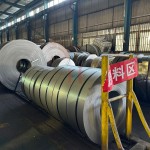
Aluminized Steel Coil Supplier
Aluminized steel’s heat shield makes it an ideal, cost-effective choice for fabrications exposed to punishing temperatures: automotive exhaust, plus HVAC and equipment, such as water heaters, furnaces heat exchangers, space heaters, ranges and appliances of multiple sizes. It also performs nicely against exposure to salts.
- Description
Description
Choosing Between Aluminized and Stainless Steel for Your Exhaust
When deciding between aluminized and stainless steel for your exhaust, consider a few key factors.
Aluminized Steel
Aluminized steel is a cost-effective option with good rust resistance, especially in milder climates. If you live in an area with minimal snow and avoid driving in harsh conditions, an aluminized exhaust should last several years without major issues.
Stainless Steel
If you want greater durability, stainless steel might be worth the extra investment. It is more resistant to rust and corrosion, making it a better choice for long-term use. Factory exhaust systems are usually made from aluminized or mild steel, so upgrading to stainless will improve longevity.
Our steel slitting capabilities:
- Two 25 in. slitters in-house with larger slitters at outside processors
- Material Thickness: 0.01/0.250
- Min/Max Slit width: 0.2 in. – 25 in. in-house, larger widths at outside processors
- Min/Max ID: 20 in.
- Slit Width Tolerance: 0.005 in
All coils are available in the following grades, depending on the current inventory:
- CS (CQ): Commercial Steel: Types A, B, and C
- DS (DQ) or FS: Drawing Steel or Forming Steel (Coated Products): Types A and B
- DDS (DDQ): Deep Drawing Steel
- EDDS (IF): Extra Deep Drawing Steel
- HSLAS: High Strength Low Alloy Steels: HSLAS Grade 50-80 and HSLAS-F 50-80
- C1006, C1008, C1010
- Half Hard
- Quarter Hard
5 Key Differences Between Aluminized Steel and Stainless Steel
Teda Metal Steel, a trusted aluminized steel coil supplier, offers high-quality aluminized and stainless steel to clients across the country. Whether you need steel for specific applications, we provide products tailored to your exact requirements. Here are five key differences between aluminized steel and stainless steel:
1. Steel Composition
Aluminized steel is made from carbon steel coated with an aluminum-silicon alloy, which enhances its corrosion resistance and strength. Stainless steel, on the other hand, is an alloy of iron, chromium, and often nickel, known for its excellent rust and corrosion resistance.
2. Corrosion Resistance
Aluminized steel resists corrosion in high-temperature environments but may be vulnerable in highly corrosive or wet conditions if the coating is damaged. Stainless steel, thanks to its chromium content, resists corrosion even in marine or acidic environments.
3. Heat Resistance
Aluminized steel reflects heat, making it suitable for high-temperature applications like exhaust systems and ovens. Stainless steel offers even better heat resistance and can withstand higher temperatures without significant corrosion or deformation.
4. Strength and Durability
While aluminized steel is strong, it may be prone to wear and tear if the aluminum coating is compromised. Stainless steel has higher tensile strength, making it more suitable for structural applications or environments that experience mechanical stress.
5. Appearance and Aesthetics
Aluminized steel has a matte silver finish that can degrade or discolor over time in high-heat or corrosive conditions. Stainless steel, with its smooth, shiny appearance, can maintain its polished look with proper care, making it ideal for aesthetic purposes.
If you’re unsure whether aluminized or stainless steel is the best choice for your application, reach out to the experts at Teda Metal Steel, your reliable aluminized steel coil supplier, today!