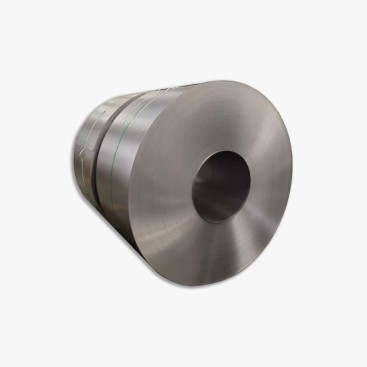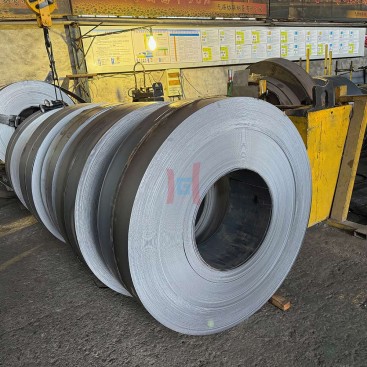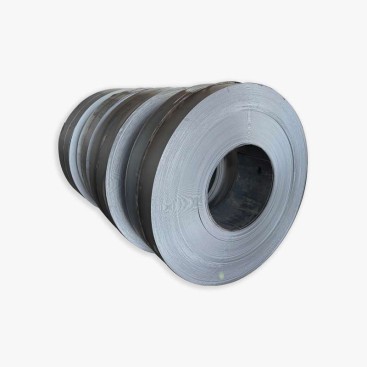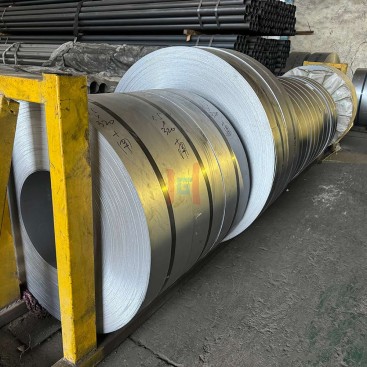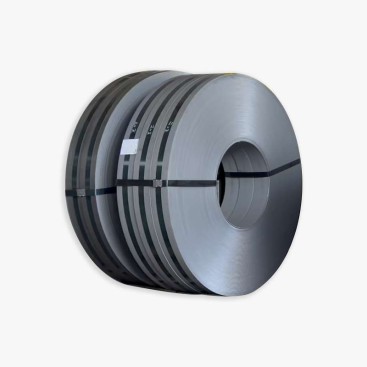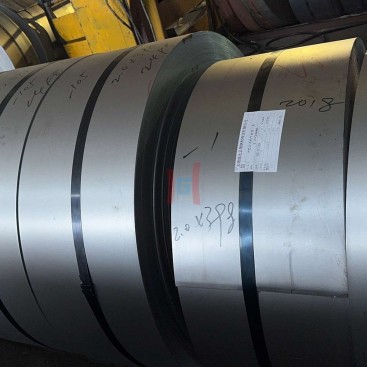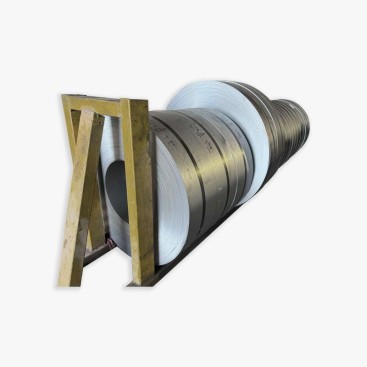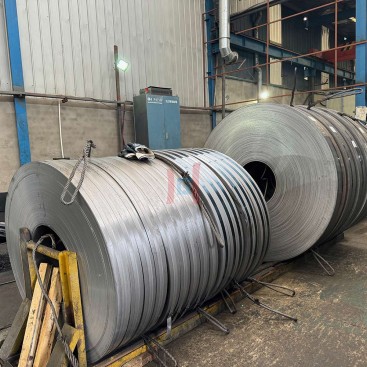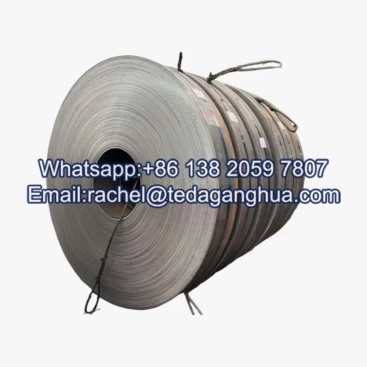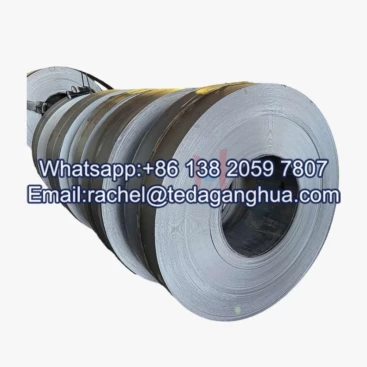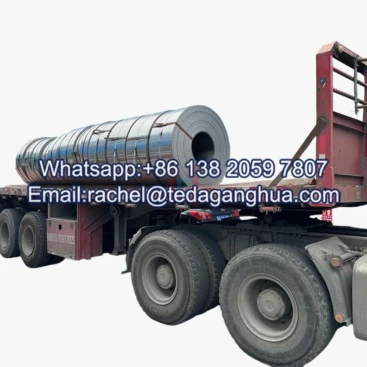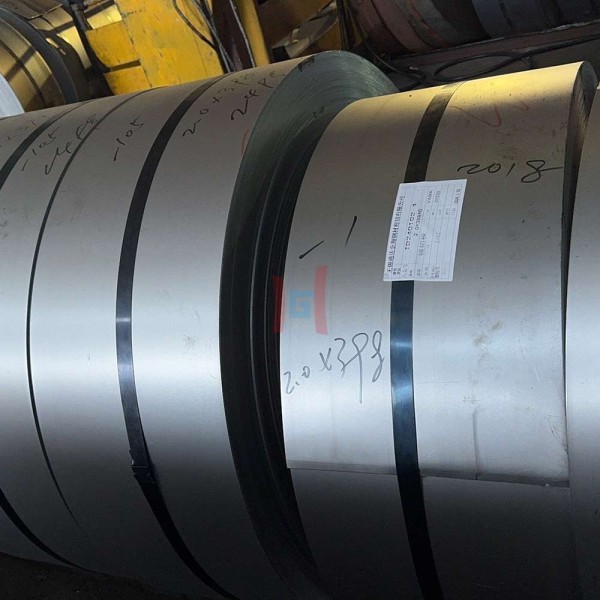
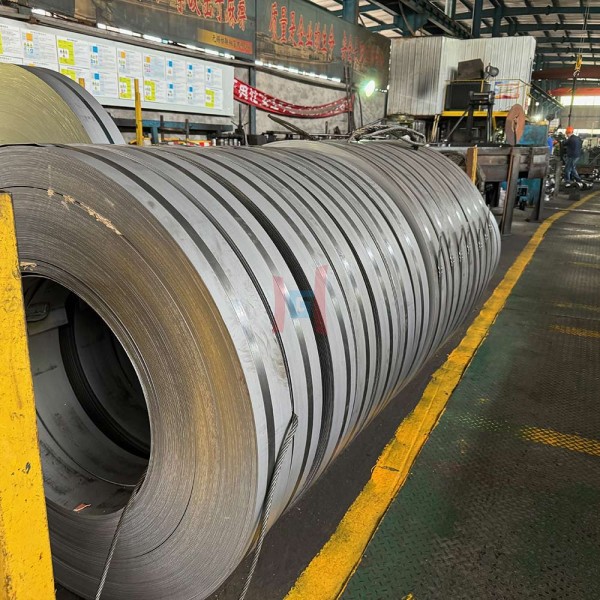
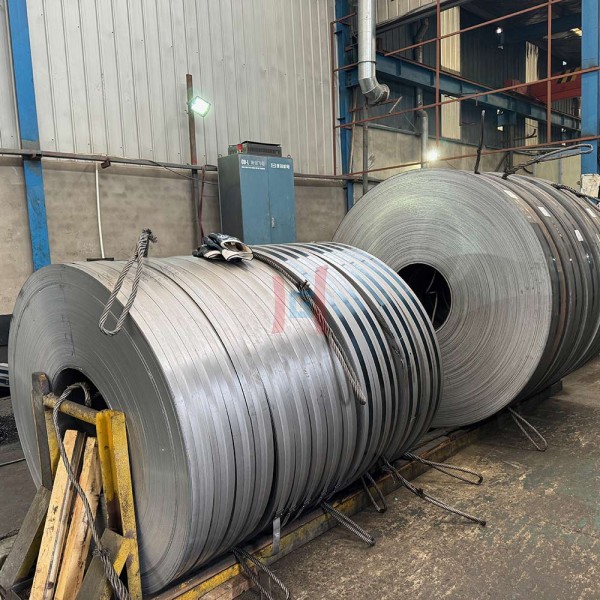
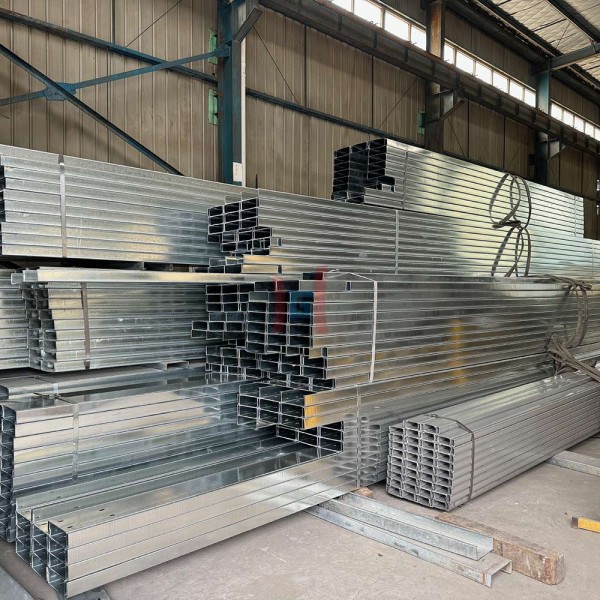
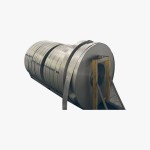
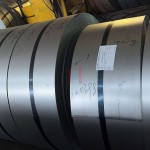
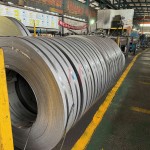
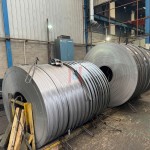
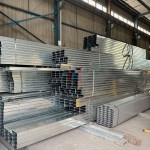
Aluminized Steel Sheet In Coil
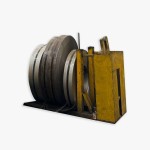
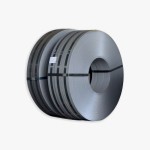
Aluminized steel’s heat shield makes it an ideal, cost-effective choice for fabrications exposed to punishing temperatures: automotive exhaust, plus HVAC and equipment, such as water heaters, furnaces heat exchangers, space heaters, ranges and appliances of multiple sizes. It also performs nicely against exposure to salts.
- Description
Description
Aluminized Steel vs. Stainless Steel Bakeware: Which is Best ?
Choosing the right bakeware is crucial for serious bakers. The decision between aluminized steel and stainless steel can be tricky, as each material has distinct advantages. Aluminized steel offers excellent heat conductivity and is more affordable, while stainless steel is known for its durability and aesthetic appeal.
Key Differences:
- Heat Conductivity: Aluminized steel offers better heat conductivity than stainless steel.
- Durability: Stainless steel is more durable and resistant to corrosion.
- Cost: Aluminized steel is generally more affordable than stainless steel.
- Safety: Stainless steel is non-reactive, making it safer for food contact.
- Decision Factors: Your choice depends on your specific baking needs and preferences.
Our steel slitting capabilities:
- Two 25 in. slitters in-house with larger slitters at outside processors
- Material Thickness: 0.01/0.250
- Min/Max Slit width: 0.2 in. – 25 in. in-house, larger widths at outside processors
- Min/Max ID: 20 in.
- Slit Width Tolerance: 0.005 in
All coils are available in the following grades, depending on the current inventory:
- CS (CQ): Commercial Steel: Types A, B, and C
- DS (DQ) or FS: Drawing Steel or Forming Steel (Coated Products): Types A and B
- DDS (DDQ): Deep Drawing Steel
- EDDS (IF): Extra Deep Drawing Steel
- HSLAS: High Strength Low Alloy Steels: HSLAS Grade 50-80 and HSLAS-F 50-80
- C1006, C1008, C1010
- Half Hard
- Quarter Hard
Look and Composition
Aluminized steel has a more industrial appearance and is less aesthetically pleasing than stainless steel. It is typically used in specific applications rather than general construction. Aluminized steel comes in two forms: Type 1, coated with a thin layer of aluminum and silicon, and Type 2, coated with pure aluminum.
Stainless steel, in contrast, is available in three main grades:
- Ferritic (contains chromium and carbon)
- Martensitic (contains carbon and chromium in higher amounts)
- Austenitic (contains at least 10% nickel, offering excellent corrosion resistance and malleability).