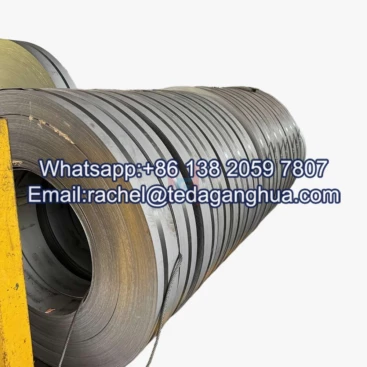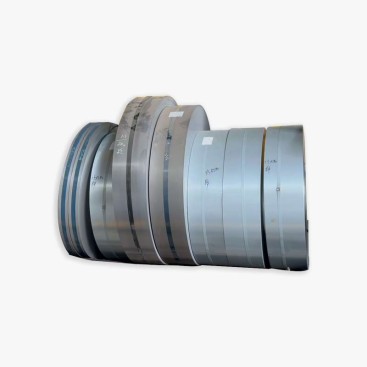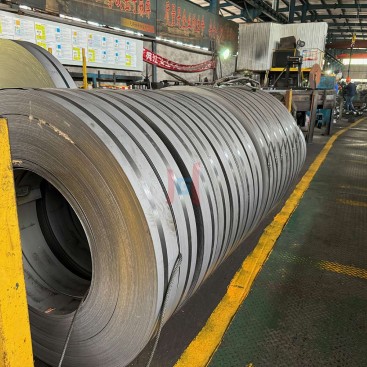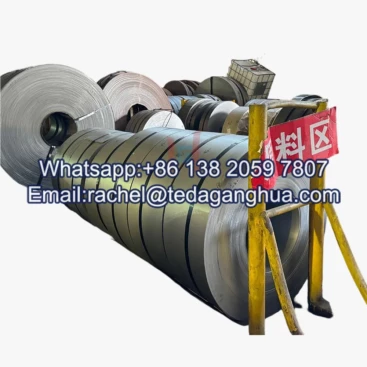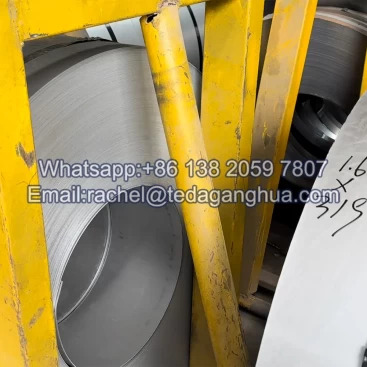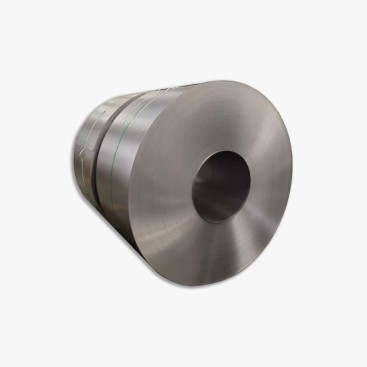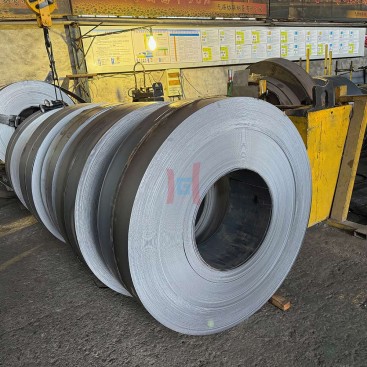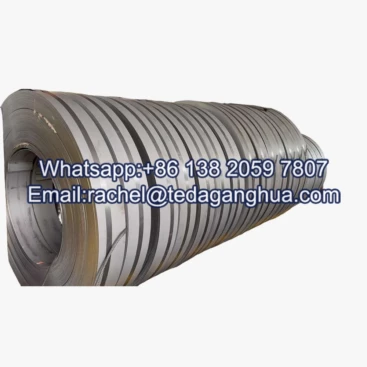
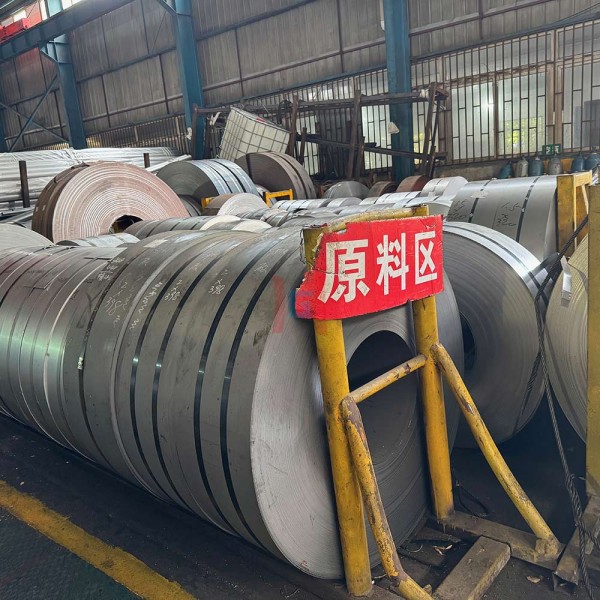
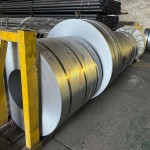
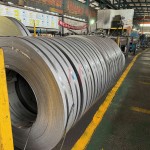
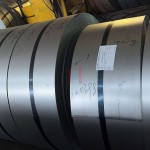
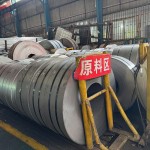
Aluminized Steel Suppliers Aluminized Coil
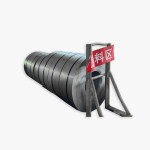
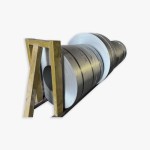
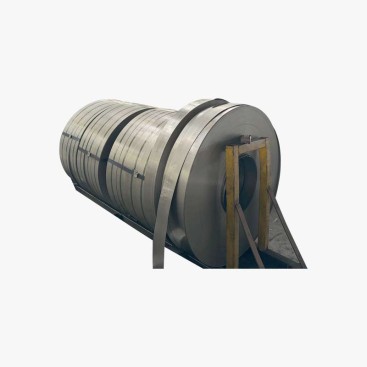
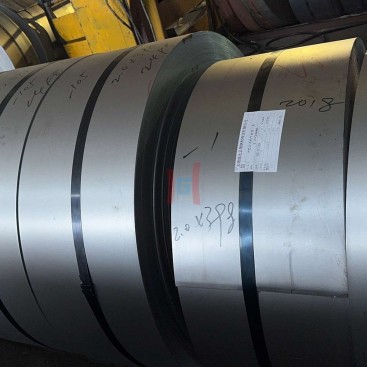
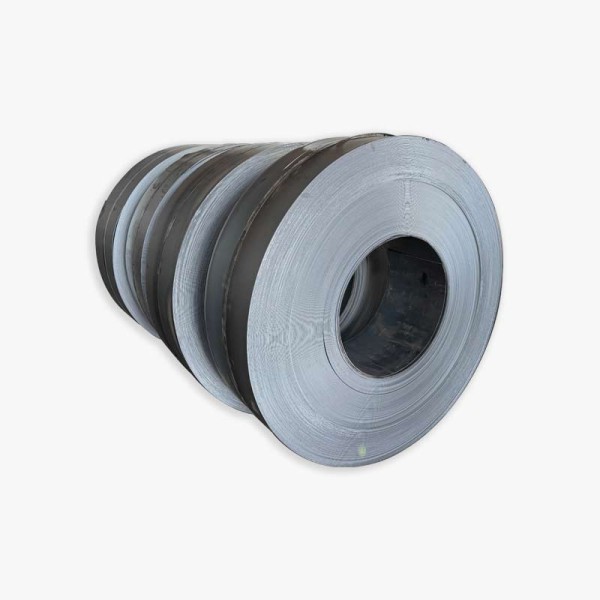
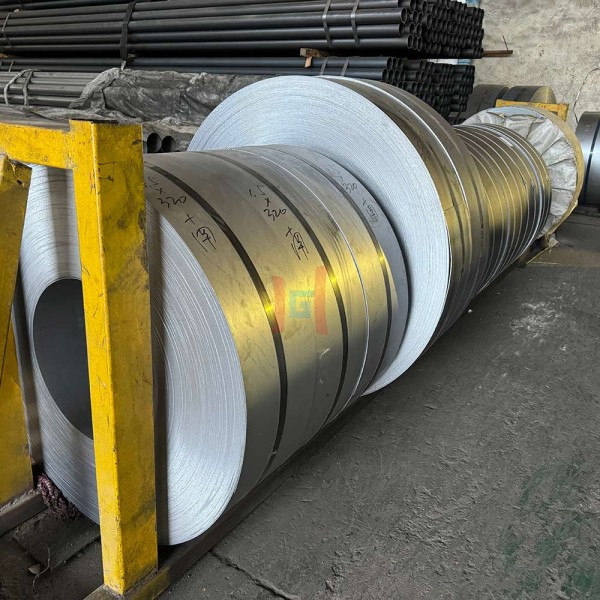
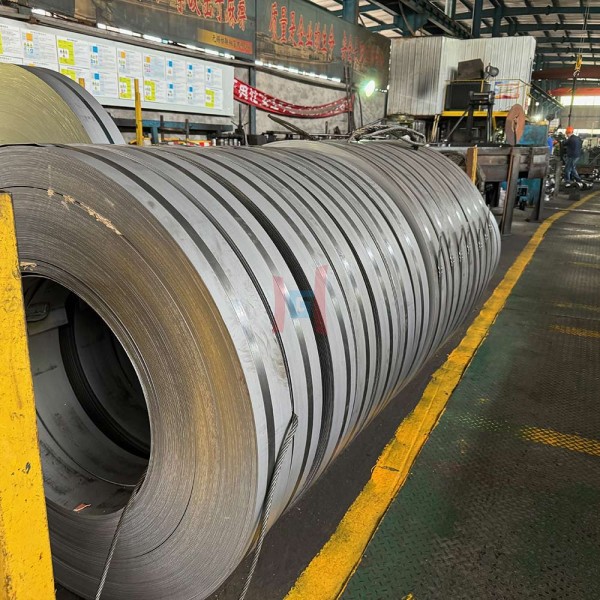
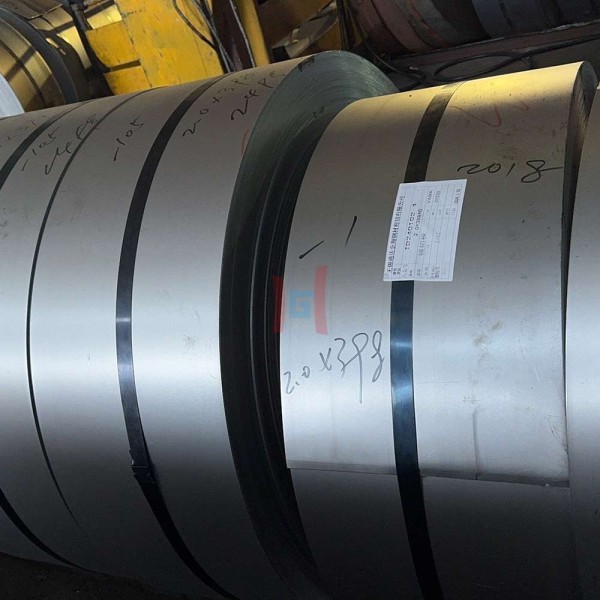
Aluminized steel’s heat shield makes it an ideal, cost-effective choice for fabrications exposed to punishing temperatures: automotive exhaust, plus HVAC and equipment, such as water heaters, furnaces heat exchangers, space heaters, ranges and appliances of multiple sizes. It also performs nicely against exposure to salts.
- Description
Description
Aluminized Steel Properties and Benefits
Aluminum may be a soft metal by itself, but it creates one tough product when melded with aluminized steel. In fact, aluminized steel can withstand temperatures up to 900 degrees Fahrenheit and keep its shiny appearance the entire time.
There are many benefits to aluminized steel, including:
- The strength of steel with the corrosion resistance of aluminum
- High-temperature resistance
- Low thermal expansion
- Formability that allows rolling, folding, bending, and even corrugating
- All common steel grade types are available in Aluminized: CS-B, DS, DDS, and EDDS. High strength options also.
Step 1: Preparing the Steel Strips
The process begins with high-quality steel strips, typically produced in large coils. These strips are selected based on the desired properties of the final pipe, such as strength, flexibility, or corrosion resistance. The steel strips are uncoiled and cut to the appropriate width, depending on the diameter and thickness of the pipe to be produced.
Step 2: Edge Trimming and Cleaning
To ensure a smooth welding process, the edges of the steel strips are trimmed to remove any imperfections. The surfaces are also cleaned to eliminate dirt, oil, or oxide layers, ensuring a strong and clean weld during pipe formation.
Step 3: Forming the Pipe
The cleaned steel strips are fed into a forming machine where they are gradually shaped into a circular or rectangular cross-section. This is achieved through a series of rollers that bend the strip into the desired shape. The edges of the strip are positioned to form a seam, preparing it for welding.
Step 4: Welding the Seam
The formed steel strip passes through a high-frequency welder, which heats the edges of the strip to a temperature high enough to melt the steel. The edges are then pressed together to form a strong, continuous weld seam. Depending on the application, other welding techniques, such as submerged arc welding, may also be used.
Step 5: Sizing and Straightening
Once the welding is complete, the pipe is passed through sizing rollers to ensure it has the precise dimensions required. The pipe is also straightened to remove any curvature that may have developed during the forming and welding process.
Step 6: Cutting to Length
The continuous pipe is then cut into specific lengths as per customer requirements. This step is performed using automated cutting machines to ensure precision and consistency.
Step 7: Heat Treatment (Optional)
For applications requiring enhanced mechanical properties, the pipes may undergo heat treatment. This involves processes like annealing, normalizing, or quenching and tempering to improve strength, toughness, or ductility.
Step 8: Surface Finishing
The pipes are cleaned, polished, or coated to enhance their appearance and protect them from corrosion. Common finishes include galvanization, painting, or application of protective oils.
Step 9: Inspection and Testing
Quality control is a critical aspect of the manufacturing process. The pipes undergo rigorous testing to ensure they meet industry standards and customer specifications. Tests may include ultrasonic inspection, hydrostatic pressure testing, and dimensional checks.
Step 10: Packaging and Distribution
Finally, the finished pipes are bundled, labeled, and prepared for shipment. They are packaged to prevent damage during transportation and delivered to customers for use in various applications.
Our steel slitting capabilities:
- Two 25 in. slitters in-house with larger slitters at outside processors
- Material Thickness: 0.01/0.250
- Min/Max Slit width: 0.2 in. – 25 in. in-house, larger widths at outside processors
- Min/Max ID: 20 in.
- Slit Width Tolerance: 0.005 in
All coils are available in the following grades, depending on the current inventory:
- CS (CQ): Commercial Steel: Types A, B, and C
- DS (DQ) or FS: Drawing Steel or Forming Steel (Coated Products): Types A and B
- DDS (DDQ): Deep Drawing Steel
- EDDS (IF): Extra Deep Drawing Steel
- HSLAS: High Strength Low Alloy Steels: HSLAS Grade 50-80 and HSLAS-F 50-80
- C1006, C1008, C1010
- Half Hard
- Quarter Hard
Why Choose Aluminized Steel from Teda Metal Steel?
When high temperatures are a concern, aluminized steel from Teda Metal Steel offers exceptional performance. Our products are carefully engineered to meet the toughest application requirements, with processing capabilities that help you save time and minimize waste.
Partner Benefits:
- Withstand the heat: Superior heat resistance and structural strength.
- Extend durability: Improved corrosion resistance for long-lasting performance.
- Simplify production: Custom processing to streamline your workflow.
- Optimize costs: Competitive pricing with tailored solutions to fit your budget.