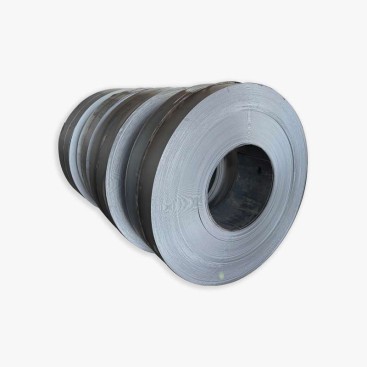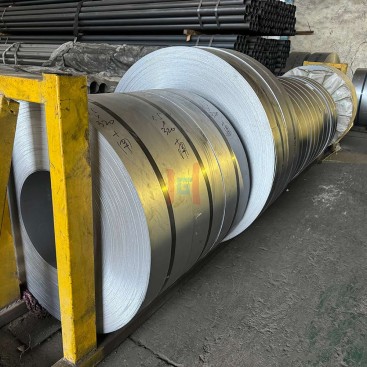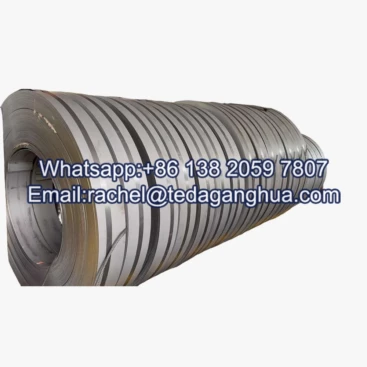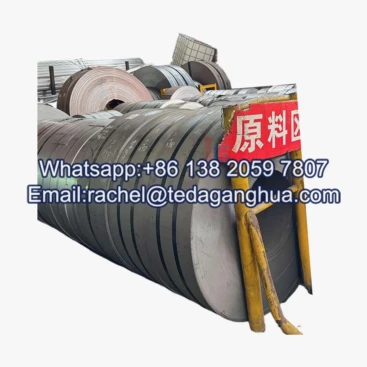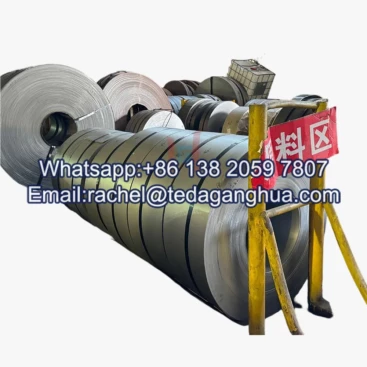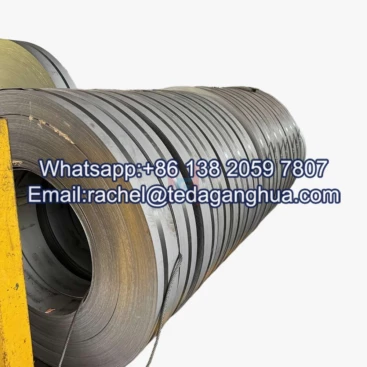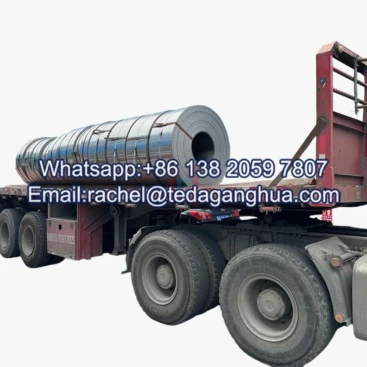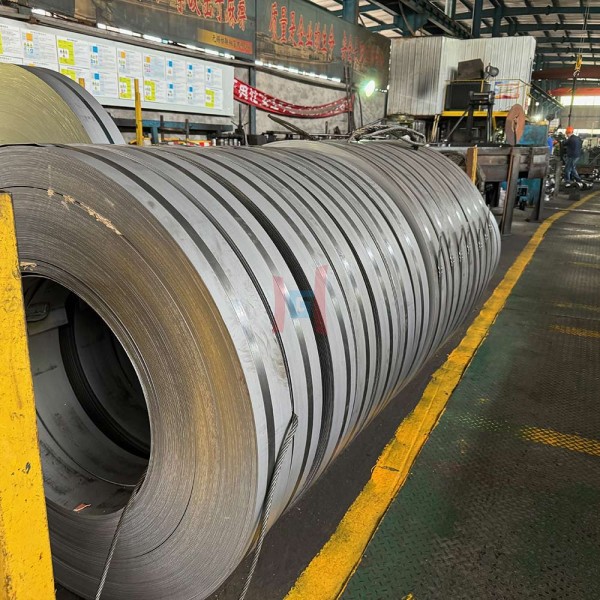


Aluminized Steel Suppliers
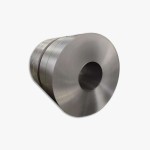
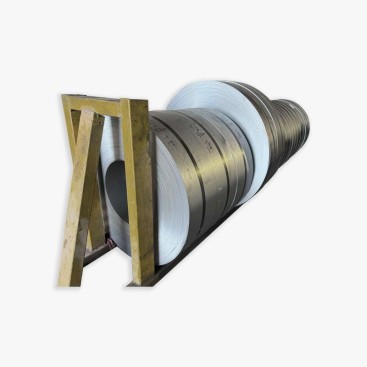
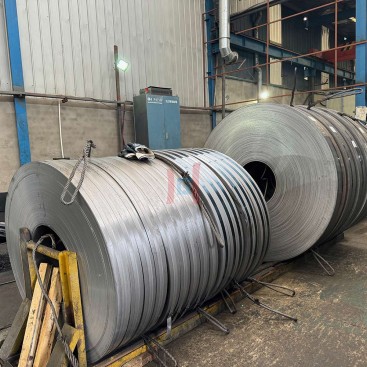
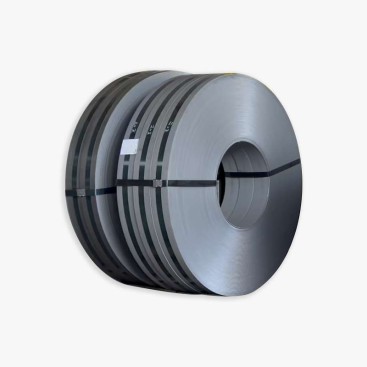
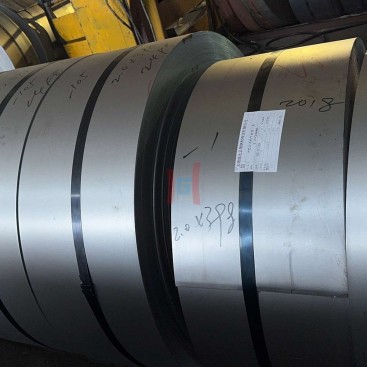
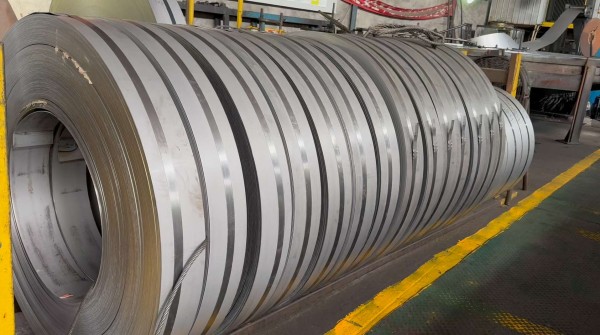
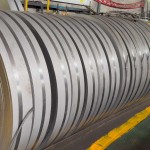
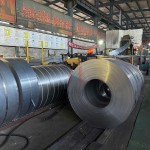
Aluminized steel’s heat shield makes it an ideal, cost-effective choice for fabrications exposed to punishing temperatures: automotive exhaust, plus HVAC and equipment, such as water heaters, furnaces heat exchangers, space heaters, ranges and appliances of multiple sizes. It also performs nicely against exposure to salts.
- Description
Description
Difference Between Aluminized Steel and Stainless Steel
Steel is available in various forms, each with unique properties. In this article, we will compare two types of steel: aluminized steel and stainless steel.
Cost Comparison
Aluminized steel is generally more affordable than stainless steel. This is due to its lower production cost compared to that of stainless steel.
Strength and Durability
Stainless steel is stronger and more durable than aluminized steel. It is resistant to rust, thanks to the presence of chromium. In contrast, aluminized steel can corrode if its aluminum coating is damaged.
Thermal Conductivity and Expansion
Aluminized steel has higher thermal conductivity than stainless steel. However, stainless steel has a higher thermal expansion coefficient, meaning it can change shape when exposed to high heat.
Our steel slitting capabilities:
- Two 25 in. slitters in-house with larger slitters at outside processors
- Material Thickness: 0.01/0.250
- Min/Max Slit width: 0.2 in. – 25 in. in-house, larger widths at outside processors
- Min/Max ID: 20 in.
- Slit Width Tolerance: 0.005 in
All coils are available in the following grades, depending on the current inventory:
- CS (CQ): Commercial Steel: Types A, B, and C
- DS (DQ) or FS: Drawing Steel or Forming Steel (Coated Products): Types A and B
- DDS (DDQ): Deep Drawing Steel
- EDDS (IF): Extra Deep Drawing Steel
- HSLAS: High Strength Low Alloy Steels: HSLAS Grade 50-80 and HSLAS-F 50-80
- C1006, C1008, C1010
- Half Hard
- Quarter Hard
Electrostatic Surface
Aluminized steel has an electrostatic surface, which is why it is commonly used in manufacturing exhaust systems and mufflers.
Common Uses
Aluminized steel is used in products like water heaters, ranges, furnaces, space heaters, and grills. Stainless steel is more commonly found in kitchen utensils, cookware, storage tanks, and construction materials.
Aesthetic Appeal
Stainless steel has a more polished appearance compared to aluminized steel. It is available in matte, engraved, and brushed finishes, making it a popular choice in architecture to enhance the aesthetic value of buildings.