Tubo de aço aluminizado vs galvanizado: Guia de desempenho em alta temperatura
Em aplicações como sistemas de exaustão, equipamento térmico, Sistemas HVAC, e tubulações industriais, choosing between aluminized steel tubes and galvanized steel tubes is a common material selection challenge. Although both materials use steel as the base metal and feature a metallic coating, their high-temperature performance differs significantly.
Galvanized steel tubes are primarily used for corrosion protection at ambient temperatures, whereas aluminized steel tubes are designed for high-temperature environments. The key difference lies in their coating mechanisms: zinc protects steel through sacrificial anodic corrosion, while aluminum forms a stable oxide layer that remains effective even at elevated temperatures.
1. Coating Principles: Sacrificial Zinc Protection vs. Protective Aluminum Oxide
Galvanized steel relies on a zinc coating to protect the base metal. Because zinc is more chemically active than steel, it corrodes preferentially, protecting the underlying steel. This approach is effective for outdoor structures, water systems, and low-temperature environments.[Proteção Catódica de Zinco: Como o zinco protege o aço]
As the temperature rises, zinc oxidizes more rapidly. The coating gradually becomes more brittle and thinner, eventually exposing the underlying steel. This is why galvanized products are unsuitable for continuous high-temperature service.
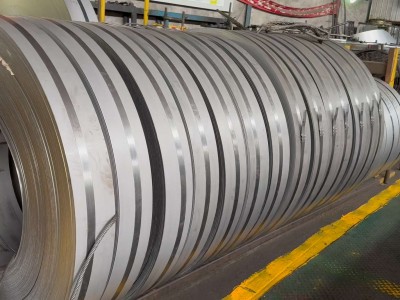
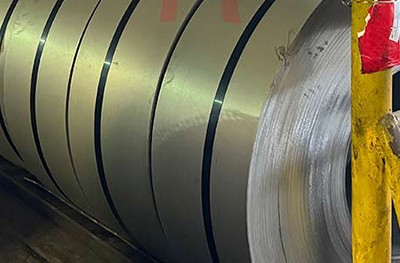
Aluminized steel uses an aluminum-silicon coating. During heating, aluminum reacts with oxygen to form a dense protective layer of Al₂O₃. This oxide film acts as a barrier, reducing further oxidation and improving heat resistance.[Revestimento de aço aluminizado: The Al₂O₃ Shield and High-Temperature Protection]
| Item | Tubo de aço galvanizado | Tubo de aço aluminizado |
|---|---|---|
| Material de revestimento | Zinco (Zn) | Liga de alumínio-silício |
| Protection Mechanism | Sacrificial Anode Protection | Aluminum Oxide Barrier Protection |
| Typical Temperature Range | Typically Below 200°C | Operating Temperature Range of Approximately 500–600°C |
| Behavior at High Temperatures | Oxidation and Coating Loss | Formation of a Stable Oxide Film |
2. Why Galvanized Tubes Fail in High-Temperature Applications
The limitations of galvanized tubes stem from the properties of zinc. As the temperature increases, zinc’s performance gradually deteriorates because the coating cannot maintain long-term stability under continuous heating.[Zinc Melting Point: 419°C and the High-Temperature Performance of Galvanized Steel]
| Temperature Range | Coating Condition | Potential Consequences |
|---|---|---|
| Below 200°C | Generally Stable | Routine Corrosion Protection |
| 200–400°C | Accelerated Oxidation | Coating Degradation |
| Approximately 419°C | Zinc Melting Point | Risk of Coating Detachment |
| High-Temperature Exposure | Rapid Deterioration | Oxidation of the Steel Substrate |


[Tubo de aço aluminizado vs.. 409 Stainless Steel Tube vs. Tubo de aço galvanizado]
3. Why Aluminized Steel Performs Better at High Temperatures
The main advantage of aluminized steel tubes is the formation of a stable aluminum oxide layer on the surface. Ao contrário dos revestimentos de zinco, which are gradually consumed, the aluminum oxide layer creates a protective surface that slows oxidation.
The aluminum coating also forms an iron-aluminum intermetallic transition layer with the steel substrate. This can improve coating adhesion and help maintain protection during thermal cycling.
For industrial users seeking heat-resistant coated tubing, Teda Ganghua provides aluminized steel solutions designed for applications such as exhaust components, equipamento de aquecimento, and thermal systems. For more information, explore our tubo de aço aluminizado product range.


4. Application Selection Guide
| Aplicativo | Recommended Material | Reason |
|---|---|---|
| Water Pipes and Outdoor Structures | Tubo de aço galvanizado | Excellent Corrosion Protection at Ambient Temperatures |
| Vehicle Exhaust Systems | Tubo de aço aluminizado | Heat Resistance and Oxidation Resistance |
| Industrial Hot-Air Ducts [Seleção de material para duto de ar quente acima de 250°C: Aço galvanizado vs aluminizado] | Tubo de aço aluminizado | Stable Performance Under Thermal Cycling |
| Structures in Cold Environments | Tubo de aço galvanizado | Cost-Effective Atmospheric Protection |
5. Industrial Buyer’s Checklist
Before purchasing coated steel tubes, buyers should confirm the following technical details:
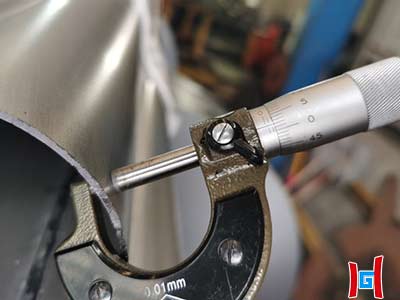
- Confirm the coating type and thickness according to the application temperature. [Guia de revestimento de tubo de aço aluminizado AS120 AS150 AS200]
- Review the material certificates and coating inspection records.
- Inspect surface quality, adesão do revestimento, and bending performance. [Inspeção de aceitação de tubo revestido: Defeitos de revestimento & Teste de dobra]
- Select tube materials suited to the operating temperature and corrosive environment.
- Confirm manufacturing requirements, including welding and forming. [Soldagem de tubo galvanizado: Segurança de fumos de zinco & Guia de Ventilação]
Selecting the wrong coating system can lead to premature maintenance, production downtime, and unexpected replacement costs. Material selection should always account for temperature, condições de corrosão, e requisitos de vida útil. [Custo do ciclo de vida do aço galvanizado versus aço aluminizado para serviços de alta temperatura]


Perguntas frequentes
Q1: Can galvanized tubes be used in exhaust systems?
Não. Exhaust systems typically operate at temperatures well above the recommended service range for galvanized coatings. Heat-resistant coated steel or stainless steel is generally preferred.
Q2: How high a temperature can aluminized steel tubes withstand?
Aluminized steel tubes are commonly used in continuous high-temperature environments at approximately 500–600°C. The specific limit depends on the coating condition, design, e ambiente de serviço. [Aço Galvanizado vs Aluminizado a 200°C: Guia de seleção de temperatura]
Q3: Is aluminized steel better than galvanized steel for every application?
Nem sempre. Galvanized steel remains a practical choice for many corrosion-prone environments at ambient temperatures. Aluminized steel is generally the better option when heat resistance is the primary requirement. [Guia de revestimentos de aço aluminizado vs Galvalume vs Al-Zn-Mg]
Q4: Which industries use aluminized steel products?
Common applications include automotive exhaust systems, equipamento de aquecimento, fornos, hot-air ducts, and industrial heat-exchange components. [Aço Aluminizado para Equipamentos de Panificação & Churrasco: Guia de revestimento para alta temperatura]
Q5: Quais informações os compradores devem fornecer ao solicitar uma cotação para tubos de aço revestidos?
Buyers should provide tube dimensions, temperatura operacional, corrosive environment, requisitos de revestimento, and end use to ensure the correct material is selected.