Алюминированная стальная труба против оцинкованной: Руководство по эксплуатации при высоких температурах
В таких приложениях, как выхлопные системы, тепловое оборудование, системы отопления, вентиляции и кондиционирования, и промышленные трубопроводы, choosing between aluminized steel tubes and galvanized steel tubes is a common material selection challenge. Although both materials use steel as the base metal and feature a metallic coating, their high-temperature performance differs significantly.
Galvanized steel tubes are primarily used for corrosion protection at ambient temperatures, whereas aluminized steel tubes are designed for high-temperature environments. The key difference lies in their coating mechanisms: zinc protects steel through sacrificial anodic corrosion, while aluminum forms a stable oxide layer that remains effective even at elevated temperatures.
1. Coating Principles: Sacrificial Zinc Protection vs. Protective Aluminum Oxide
Galvanized steel relies on a zinc coating to protect the base metal. Because zinc is more chemically active than steel, it corrodes preferentially, protecting the underlying steel. This approach is effective for outdoor structures, water systems, and low-temperature environments.[Катодная защита цинка: Как цинк защищает сталь]
As the temperature rises, zinc oxidizes more rapidly. The coating gradually becomes more brittle and thinner, eventually exposing the underlying steel. This is why galvanized products are unsuitable for continuous high-temperature service.
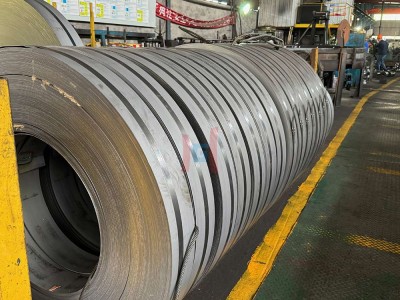
Aluminized steel uses an aluminum-silicon coating. During heating, aluminum reacts with oxygen to form a dense protective layer of Al₂O₃. This oxide film acts as a barrier, reducing further oxidation and improving heat resistance.[Алюминированное стальное покрытие: The Al₂O₃ Shield and High-Temperature Protection]
| Элемент | Galvanized Steel Tube | Алюминированная стальная трубка |
|---|---|---|
| Материал покрытия | Цинк (Зн) | Алюминий-кремниевый сплав |
| Protection Mechanism | Sacrificial Anode Protection | Aluminum Oxide Barrier Protection |
| Typical Temperature Range | Typically Below 200°C | Operating Temperature Range of Approximately 500–600°C |
| Behavior at High Temperatures | Oxidation and Coating Loss | Formation of a Stable Oxide Film |
2. Why Galvanized Tubes Fail in High-Temperature Applications
The limitations of galvanized tubes stem from the properties of zinc. As the temperature increases, zinc’s performance gradually deteriorates because the coating cannot maintain long-term stability under continuous heating.[Zinc Melting Point: 419°C and the High-Temperature Performance of Galvanized Steel]
| Temperature Range | Coating Condition | Potential Consequences |
|---|---|---|
| Below 200°C | Generally Stable | Routine Corrosion Protection |
| 200–400°C | Accelerated Oxidation | Coating Degradation |
| Approximately 419°C | Zinc Melting Point | Risk of Coating Detachment |
| High-Temperature Exposure | Rapid Deterioration | Oxidation of the Steel Substrate |


[Алюминированная стальная труба против. 409 Stainless Steel Tube vs. Galvanized Steel Tube]
3. Why Aluminized Steel Performs Better at High Temperatures
The main advantage of aluminized steel tubes is the formation of a stable aluminum oxide layer on the surface. В отличие от цинковых покрытий, which are gradually consumed, the aluminum oxide layer creates a protective surface that slows oxidation.
The aluminum coating also forms an iron-aluminum intermetallic transition layer with the steel substrate. This can improve coating adhesion and help maintain protection during thermal cycling.
For industrial users seeking heat-resistant coated tubing, Teda Ganghua provides aluminized steel solutions designed for applications such as exhaust components, отопительное оборудование, and thermal systems. For more information, explore our алюминизированная стальная трубка product range.


4. Application Selection Guide
| Приложение | Recommended Material | Reason |
|---|---|---|
| Water Pipes and Outdoor Structures | Galvanized Steel Tube | Excellent Corrosion Protection at Ambient Temperatures |
| Vehicle Exhaust Systems | Алюминированная стальная трубка | Heat Resistance and Oxidation Resistance |
| Industrial Hot-Air Ducts [Выбор материала воздуховода для горячего воздуха при температуре выше 250°C: Оцинкованная и алюминизированная сталь] | Алюминированная стальная трубка | Stable Performance Under Thermal Cycling |
| Structures in Cold Environments | Galvanized Steel Tube | Cost-Effective Atmospheric Protection |
5. Industrial Buyer’s Checklist
Before purchasing coated steel tubes, buyers should confirm the following technical details:
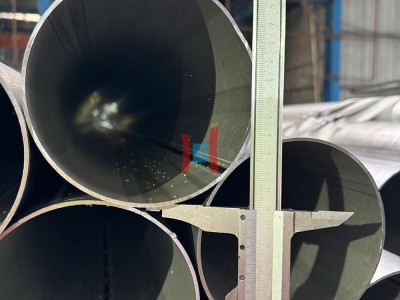
- Confirm the coating type and thickness according to the application temperature. [AS120 AS150 AS200 Руководство по нанесению покрытия на алюминизированную стальную трубку]
- Review the material certificates and coating inspection records.
- Inspect surface quality, Адгезия покрытия, and bending performance. [Приемочный контроль труб с покрытием: Дефекты покрытия & Испытание на изгиб]
- Select tube materials suited to the operating temperature and corrosive environment.
- Confirm manufacturing requirements, including welding and forming. [Сварка оцинкованной трубы: Безопасность паров цинка & Руководство по вентиляции]
Selecting the wrong coating system can lead to premature maintenance, production downtime, and unexpected replacement costs. Material selection should always account for temperature, условия коррозии, and service-life requirements. [Стоимость жизненного цикла оцинкованной стали по сравнению с алюминизированной сталью для работы при высоких температурах]


Часто задаваемые вопросы
Q1: Can galvanized tubes be used in exhaust systems?
Нет. Exhaust systems typically operate at temperatures well above the recommended service range for galvanized coatings. Heat-resistant coated steel or stainless steel is generally preferred.
Q2: How high a temperature can aluminized steel tubes withstand?
Aluminized steel tubes are commonly used in continuous high-temperature environments at approximately 500–600°C. The specific limit depends on the coating condition, design, и сервисная среда. [Оцинкованная и алюминизированная сталь при 200°C: Руководство по выбору температуры]
Q3: Is aluminized steel better than galvanized steel for every application?
Not always. Galvanized steel remains a practical choice for many corrosion-prone environments at ambient temperatures. Алюминированная сталь, как правило, является лучшим вариантом, когда термостойкость является основным требованием.. [Руководство по алюминизированной стали, гальваническим покрытиям и покрытиям Al-Zn-Mg]
Q4: В каких отраслях используется алюминизированная стальная продукция?
Общие области применения включают автомобильные выхлопные системы., отопительное оборудование, печи, воздуховоды горячего воздуха, и промышленные теплообменные компоненты. [Алюминированная сталь для хлебопекарного оборудования & БАРБЕКЮ: Руководство по нанесению высокотемпературного покрытия]
Q5: Какую информацию должны предоставить покупатели при запросе цен на стальные трубы с покрытием??
Покупатели должны предоставить размеры трубки, рабочая температура, агрессивная среда, требования к покрытию, и конечного использования, чтобы убедиться, что выбран правильный материал.