Automobile Steel Plate Processing Technologies
Automobile Steel Plate Processing Technologies
1. Laser Welding Plate Technology
Laser welding uses a laser as a heat source to weld different materials, including steel, stainless steel, and aluminum alloys. This technology helps combine materials with varying thicknesses, improving structural rigidity and reducing weight. Aluminized steel sheets, particularly, benefit from this technology, as it enhances the performance of welded joints. This method is used in parts like door panels, beams, side panels, and wheel covers.
2. Continuously Variable Section Plate Technology
This technology adjusts the roll gap size during rolling to create plates with customized shapes along the rolling direction. It’s ideal for manufacturing automotive components such as engine hoods, fenders, and bumper boxes. Aluminized sheets can be processed this way to improve durability and performance.
3. Internal High-Pressure Forming Technology
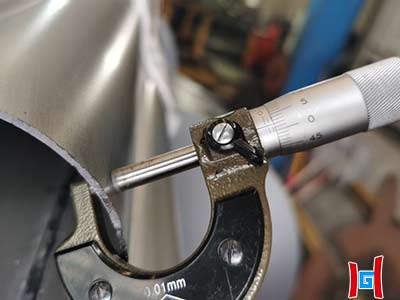
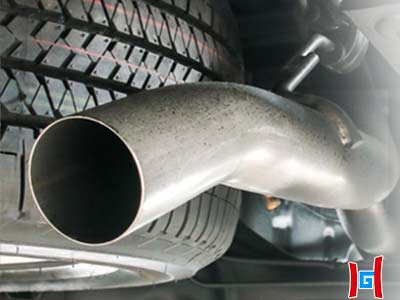
Internal high-pressure forming uses liquid pressure inside a pipe to deform steel into a desired shape. This technique is especially useful for manufacturing chassis components and engine parts. Aluminized steel sheets provide additional corrosion resistance for these critical automotive components.
4. Hot Stamping Forming Technology
Hot stamping involves heating steel sheets to above the austenite temperature and stamping them into shape. The tensile strength of the processed steel can reach up to 1000 MPa, making it ideal for parts like bumpers, anti-collision bars, and structural reinforcements. Aluminized sheets can also be hot stamped to achieve additional strength and corrosion protection.
5. Cold Bending Forming Technology
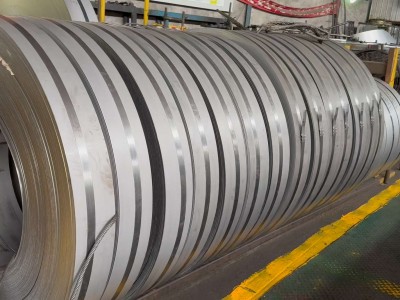
Cold bending forms steel strips or sheets into specific geometric shapes using rollers. This process is used in car frames, panels, and window frames. Aluminized steel sheets can undergo this forming technology to provide additional protection against corrosion, especially for parts exposed to harsh environmental conditions.