Aluminized Steel Applications: Versatility and Benefits in Modern Industries
Aluminized Steel Applications: Versatility and Benefits in Modern Industries
Aluminized steel, a material coated with a thin layer of aluminum, is known for its excellent corrosion resistance, heat resistance, and enhanced durability. These unique properties make aluminized steel an ideal choice for a wide range of applications across various industries. In this blog post, we will explore the many uses of aluminized steel and highlight the advantages that make it such a popular choice for manufacturers and end-users alike.
What is Aluminized Steel?
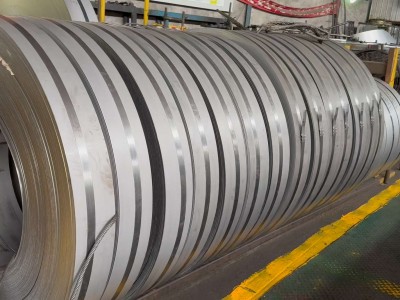
Aluminized steel is created by coating a steel sheet with a layer of aluminum, typically using two processes: hot-dip coating or electroplating. This thin aluminum layer forms a protective barrier against oxidation and corrosion, making aluminized steel highly resistant to harsh environmental conditions. The result is a material that combines the strength of steel with the corrosion resistance of aluminum, offering a durable and long-lasting solution for numerous applications.
1. Automotive Industry
One of the most prominent applications of aluminized steel is in the automotive industry. The material’s excellent heat resistance and durability make it ideal for components exposed to high temperatures, such as:
- Exhaust Systems: Aluminized steel is widely used in the manufacture of exhaust pipes, mufflers, and catalytic converters. Its resistance to heat and corrosion allows these parts to withstand the extreme conditions inside a vehicle’s exhaust system, significantly extending their lifespan.
- Heat Shields: Aluminized steel is used in heat shields to protect sensitive components from high temperatures generated by engines and exhaust systems.
- Body Panels: In some cases, aluminized steel is used for car body panels, offering a balance between strength and corrosion resistance.
2. Construction and Building Materials
Aluminized steel’s resistance to corrosion and heat makes it an excellent choice for construction applications, especially in environments where materials are exposed to the elements. Some common uses in construction include:
- Roofing Materials: Aluminized steel is used in roofing sheets, providing resistance against rain, snow, and sunlight, and contributing to the overall longevity of buildings.
- Building Facades: The material is also used in exterior building facades, offering protection against weathering and enhancing the aesthetic appeal with its metallic finish.
- Structural Components: It is sometimes used in structural parts such as beams, columns, and supports that need to endure both the stress of construction and exposure to environmental factors.
3. Home Appliances
In the consumer goods sector, aluminized steel is widely used in the manufacturing of household appliances. Its ability to resist heat and corrosion makes it suitable for:
- Ovens and Stoves: The heat resistance of aluminized steel makes it ideal for use in the interiors of ovens, ranges, and other cooking appliances. It helps maintain the integrity of the appliance while withstanding high temperatures.
- Washing Machines: Aluminized steel is also used in washing machine drum liners, providing protection against the moisture and chemicals commonly encountered in laundry operations.
- Dishwashers: Similar to ovens, dishwashers benefit from aluminized steel’s durability and resistance to heat, ensuring long-term performance.
4. Industrial Applications
Aluminized steel is frequently used in industries that require materials capable of withstanding harsh conditions. Some examples of industrial applications include:
- Heat Exchangers: Due to its thermal conductivity and corrosion resistance, aluminized steel is used in heat exchangers, which are vital in many industrial processes that involve heating or cooling fluids.
- Chimney Linings: The material is often used in chimney linings and flue pipes, where it resists the corrosive effects of high-temperature gases and moisture.
- Filters: In some cases, aluminized steel is used in industrial air or fluid filters, benefiting from its strength and resistance to both corrosion and high temperatures.
5. Agricultural Equipment
Agricultural machinery, such as grain silos, trailers, and storage containers, also benefits from aluminized steel’s resistance to the elements. These machines are frequently exposed to moisture, dust, and harsh weather conditions, making aluminized steel an ideal material choice for ensuring the longevity of agricultural equipment.
6. Energy Sector
The energy sector relies on materials that can withstand extreme conditions, making aluminized steel a suitable option for:
- Power Plants: In power plants, aluminized steel is used for components like boiler systems and piping that are exposed to high heat and pressure. Its corrosion resistance ensures that these parts maintain structural integrity over time.
- Solar Panels: Some solar panel components are made from aluminized steel due to its ability to resist oxidation and ensure longevity even in outdoor, weather-exposed conditions.
Benefits of Aluminized Steel
- Corrosion Resistance: The aluminum coating creates a protective barrier that resists corrosion from moisture, chemicals, and salts, extending the life of the steel.
- Heat Resistance: Aluminized steel can withstand high temperatures without degrading, making it ideal for applications in hot environments.
- Cost-Effective: Aluminized steel offers many of the same benefits as stainless steel but at a more affordable price, making it an attractive option for manufacturers.
- Aesthetic Appeal: The shiny metallic finish of aluminized steel enhances the appearance of products, making it a preferred choice in industries like automotive and architecture.
- Durability: The combination of steel’s strength and aluminum’s corrosion resistance results in a material that is both durable and long-lasting.
Conclusion
Aluminized steel is a versatile material with a wide range of applications in industries like automotive, construction, home appliances, and energy. Its unique combination of strength, heat resistance, and corrosion protection makes it an excellent choice for products and components exposed to extreme conditions. Whether you’re manufacturing automotive parts, building structures, or designing household appliances, aluminized steel offers a durable, cost-effective solution that can enhance performance and longevity.
If you are considering aluminized steel for your next project, it’s important to understand the specific benefits it offers and how it can be tailored to meet the demands of your industry. With its broad range of applications, aluminized steel continues to be a key material in the modern manufacturing world.