Guida ai rivestimenti in acciaio alluminato, galvalume e Al-Zn-Mg
Acciaio alluminato, Galvalume, e i rivestimenti in alluminio-zinco-magnesio sono tutti sistemi di rivestimento metallico a base di alluminio, ma non sono intercambiabili. Il loro contenuto di alluminio, struttura del rivestimento, application method, corrosion mechanism, temperature behavior, and typical product forms are different. For procurement, the most important distinction is whether the priority is high-temperature oxidation resistance, general atmospheric corrosion protection, or improved cut-edge and forming performance.
The Three Aluminum-Based Coating Systems
The term “aluminum coating” can create confusion because several commercial coating systems contain aluminum. The three categories below should be specified separately on a purchase order.
| Coating system | Composizione tipica | Main strength | Typical product/application direction |
|---|---|---|---|
| Acciaio alluminato | Alluminio-silicio, commonly about 90% Al and 5–10% Si | Resistenza all'ossidazione ad alta temperatura | Componenti di scarico, condotti dell'aria calda, forni, apparecchiature di riscaldamento, tubes |
| Galvalume / Al-Zn | Circa 55% Al, 43.4% Zn, 1.6% Si in the commonly recognized 55% Al-Zn system | Atmospheric corrosion resistance with aluminum-zinc coating protection | Copertura, raccordo, pannelli, building products |
| Al-Zn-Mg coating | Aluminum-zinc alloy with magnesium additions; exact composition depends on the proprietary or governing system | Enhanced corrosion behavior, including cut-edge protection in relevant systems | Construction sheet, structural panels, and applications requiring advanced corrosion protection |
Important: “aluminum-based” describes a family, not a single coating specification. A buyer should identify the coating alloy and applicable standard rather than ordering simply by the word “aluminum.”
Acciaio alluminato: Aluminum-Silicon Coating for Heat
Aluminized steel is commonly produced by coating a steel substrate with an aluminum-silicon alloy. A typical coating contains a high proportion of aluminum with silicon added to control coating behavior and formability.
Its major application advantage is the ability of the aluminum-rich coating to provide strong resistance to oxidation at elevated temperature. During service, the coating develops a protective oxide layer that helps limit further oxidation of the underlying steel.
Best selection logic: When the tube will repeatedly experience elevated temperatures and oxidation is a major concern, an aluminum-silicon coated steel system should be evaluated based on the complete temperature and atmosphere profile.
Galvalume: IL 55% Al-Zn System
Galvalume is a widely used commercial designation for steel coated with an aluminum-zinc alloy, commonly associated with a coating containing approximately 55% alluminio, 43.4% zinco, E 1.6% silicio. The coating combines the barrier and oxidation resistance of aluminum with the sacrificial protection contribution of zinc.
This coating system is particularly common in building products such as roofing and wall panels. Its performance is strongly related to the coating microstructure and the surrounding atmospheric environment.
Galvalume should not automatically be selected for hot exhaust or continuously high-temperature tube service simply because it contains more aluminum than conventional zinc coatings. Its intended application and temperature limits must be checked against the governing specification.
Al-Zn-Mg: Why Magnesium Is Added
Al-Zn-Mg coatings add magnesium to the aluminum-zinc system to modify corrosion behavior. Depending on the specific alloy and manufacturing system, magnesium-containing coatings can improve corrosion protection and provide useful protection around damaged or exposed steel areas.
Tuttavia, “Al-Zn-Mg” is not one universal composition. Different standards and commercial coating systems use different alloy chemistries, so the exact coating designation must be identified before comparing performance with aluminized steel or conventional Galvalume.
Aluminized Steel vs Galvalume vs Al-Zn-Mg
| Proprietà / requirement | Acciaio alluminato | Galvalume | Al-Zn-Mg |
|---|---|---|---|
| Primary coating family | Al-Sì | Al-Zn-Si | Al-Zn-Mg-based |
| Typical priority | Heat and oxidation resistance | Atmospheric corrosion protection | Enhanced corrosion protection |
| Common forms | Sheet, coil, tube and pipe | Sheet, coil, copertura e pannelli | Sheet, coil and construction products |
| High-temperature suitability | Strong candidate when properly specified | Application and temperature limits must be verified | Must be evaluated against the exact coating system |
| Cut-edge behavior | Depends on coating and exposure | Zinc contributes sacrificial protection | Designed in relevant systems to improve corrosion protection |
| Main procurement question | What temperature and atmosphere will the tube see? | What atmospheric corrosion exposure is expected? | Which exact Al-Zn-Mg coating standard applies? |
Why Coating Composition Changes Performance
The coating alloy determines the phases and protective products that form during service. Aluminum can form a stable oxide film that provides barrier protection, while zinc can provide sacrificial protection to exposed steel under appropriate conditions. Magnesium can modify the corrosion products and electrochemical behavior of aluminum-zinc coatings.
For this reason, coating composition should not be judged simply by the percentage of aluminum. More aluminum does not automatically mean better performance in every environment. Temperatura, umidità, esposizione al cloruro, condensate, mechanical damage, and coating thickness all affect the result.
Which Coating Should Be Used for Tubes?
Product form is an important differentiator. Galvalume and Al-Zn-Mg products are extensively associated with flat steel for construction, while aluminized steel is widely used where coated tube must withstand heat and oxidation.
Exhaust and hot-air tube
Evaluate aluminized steel first when elevated temperature and oxidation resistance are key requirements.
Roofing and exterior panels
Galvalume or an Al-Zn-Mg system may be more relevant when atmospheric corrosion and building-product performance dominate.
Severe corrosion exposure
Compare the exact coating alloy, mass, substrate, ambiente, and required service life rather than selecting by coating name alone.
Three Questions to Ask a Coated Steel Supplier
- What is the exact coating alloy? Confirm whether it is Al-Si, Al-Zn-Si, or an Al-Zn-Mg system.
- What is the coating mass or thickness? Do not assume that products with similar commercial names have equivalent coating amounts.
- What is the intended service environment? Give the supplier temperature, atmosphere, umidità, esposizione al cloruro, ciclo termico, e requisiti di fabbricazione.
For tubes, also specify whether the inside surface requires coating. External coating descriptions do not automatically define internal coating coverage.


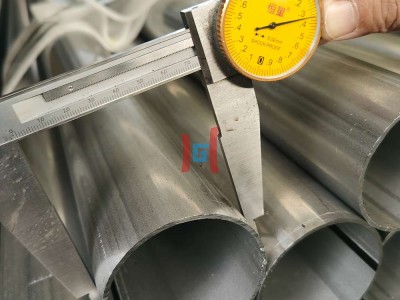
Teda Ganghua Aluminized Steel Tube Supply
Teda Ganghua supports aluminized steel tube sourcing for applications requiring controlled dimensions, specifiche del rivestimento, and service-condition matching. Buyers can provide tube OD, spessore della parete, lunghezza, grado di acciaio di base, coating level, internal coating requirements, requisiti di elaborazione, quantità, and applicable standard for technical evaluation.
For procurement teams comparing aluminum-based coating systems, Teda Ganghua can focus the quotation on the actual application rather than treating Galvalume, Al-Zn-Mg, and aluminum-silicon coated tube as equivalent materials.
Tubi in acciaio alluminato can be reviewed for high-temperature tube requirements and customized specifications.
For a coating comparison inquiry, send:
Tube OD + spessore della parete + lunghezza + base steel + coating type + coating mass + internal coating requirement + temperatura operativa + atmosphere + quantità + norma applicabile.
FAQs About Aluminized Steel and Galvalume
Is aluminized steel the same as Galvalume?
NO. Aluminized steel commonly uses an aluminum-silicon coating, while Galvalume refers to an aluminum-zinc-silicon coating system, commonly around 55% alluminio. Their coating structures and typical applications are different.
Which is better for high-temperature tubes, aluminized steel or Galvalume?
The answer depends on the actual service conditions, but aluminized steel is specifically widely used where aluminum-rich coating protection against high-temperature oxidation is required. The base steel, specifica del rivestimento, temperatura operativa, atmosphere, e il ciclo termico devono ancora essere verificati.
Qual è il vantaggio principale del rivestimento Al-Zn-Mg?
Le aggiunte di magnesio possono modificare il comportamento alla corrosione dei rivestimenti in alluminio-zinco, nei sistemi commerciali rilevanti, migliorare la protezione dalla corrosione anche attorno alle aree esposte in acciaio. Le prestazioni esatte dipendono dalla particolare composizione e dallo standard del rivestimento.
Galvalume può essere utilizzato per i tubi di scarico?
Non dovrebbe essere selezionato solo perché contiene alluminio. Il servizio di scarico comporta temperature elevate, ciclo termico, condensazione, e gas potenzialmente corrosivi. L'esatta specifica Galvalume e la capacità di temperatura devono essere verificate rispetto all'applicazione prevista.
Cosa devo specificare quando acquisto un tubo in acciaio rivestito in alluminio?
Specificare la qualità dell'acciaio di base, dimensioni del tubo, lega di rivestimento, coating mass, internal coating requirement, temperatura operativa, atmosphere, requisiti di formatura o saldatura, quantità, e norma applicabile. Ciò impedisce che diversi sistemi di rivestimento vengano considerati intercambiabili.